Understanding The Difference Between a Used Car Dealer and a Private Owner
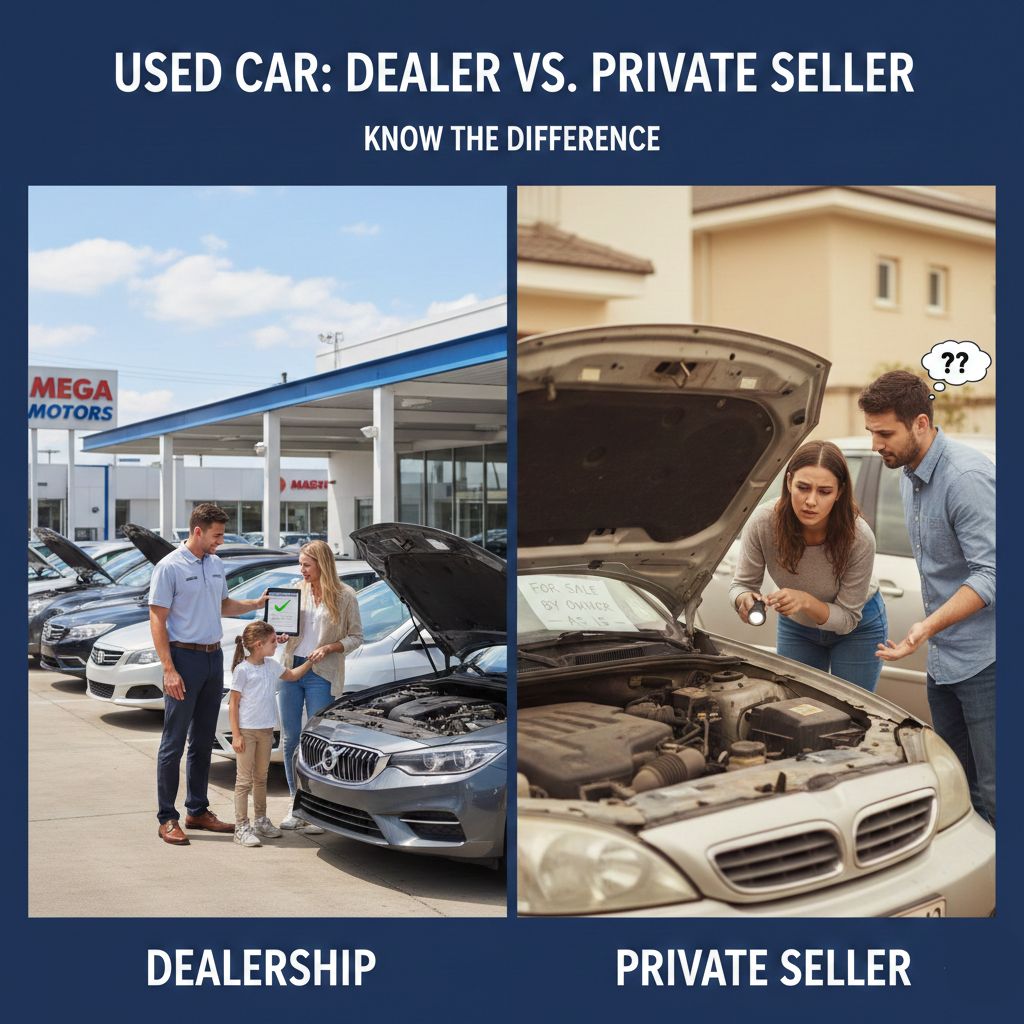
Buying a used car is one of the most significant purchases many people make, and understanding the difference between a used car dealer and a private owner can save time, money, and stress. Whether you plan to buy from a dealership or a private seller, this guide explains the advantages and disadvantages of each path, outlines how to inspect the car, and helps you make an informed decision that matches your needs and budget.
What are the main differences between buying from a dealer vs a private seller?
The core difference between a used car dealer and a private owner lies in their roles and protections offered. Used car dealerships often provide warranties, financing options, and a structured buying experience, giving buyers added peace of mind. By contrast, purchasing from a private seller typically means lower prices but fewer formal protections; private sellers may sell “as-is” and private sales often lack dealer-backed guarantees.
When comparing dealer versus a private seller, consider vehicle history report availability and whether the seller will allow an independent inspection. Dealerships often provide vehicle history reports with each listing and may perform inspections before sale. Private owners may be willing to share records but are not required to provide a warranty or certified inspection, so purchasing from a private owner requires more diligence to make an informed decision.
How does warranty coverage differ when buying from a used car dealer or a private owner?
Warranties are a major factor in the pros and cons of buying used. Used car dealers often include limited warranties, certified pre-owned programs, or optional extended warranty plans. These protections offer peace of mind and potential savings on unexpected repairs, which can be especially valuable when purchasing a car from a dealership.
Buying from a private seller usually means the car is sold without warranty, unless the private owner chooses to offer a short-term guarantee. Private sellers may advertise a low price, but the lack of warranty shifts the risk of repairs to the buyer. Weigh the lower purchase cost against possible repair bills when choosing between a dealer and a private seller.
Why should I get a vehicle history report whether I buy from a dealer or a private seller?
A vehicle history report is essential whether you buy a used car from a dealership or a private owner. Dealerships often provide vehicle history reports as part of their listing, which helps buyers assess past accidents, title issues, and maintenance records. A reputable used car dealer will make this information readily available to build trust.
Private sellers may or may not provide a vehicle history report. Purchasing from a private owner means you should request or obtain the vehicle history report yourself to verify the car’s background. Doing so helps you navigate the used car market safely and supports better decision-making when purchasing from a private seller or a dealer.
What are the financing options when buying from a used car dealership vs purchasing from a private seller?
Financing options are one of the biggest advantages of buying from a used car dealership. Dealerships often partner with banks and lenders to offer loans, flexible payment plans, and trade-in deals. If you need to buy a car with financing, a car dealership can simplify the process and provide multiple loan options to fit your budget.
Buying from a private seller usually requires paying cash or arranging a private loan, which can limit financing flexibility. Purchasing from a private owner may be cheaper upfront, but the lack of dealer financing options means you’ll need to set up your own loan or pay cash. Consider financing availability when deciding whether to buy from a dealer or a private seller.
How do prices compare between a used car dealership and a private owner?
Price differences are a common reason buyers consider private sales. Private sellers may list a used car at a lower price than a comparable car from a dealership because they don’t have overhead costs or the same profit margins as used car dealerships. This can make buying from a private seller attractive for budget-conscious buyers.
However, dealerships often include services, inspections, and sometimes warranties that can justify a higher price. When comparing car from a dealer versus car from a private owner, calculate the total cost of ownership, factoring in potential repairs, warranty value, and financing options to determine which route offers the best value.
What inspection steps should I take when purchasing from a private seller or a dealership?
Whether you’re buying from a dealer or a private seller, you should always inspect the car thoroughly. Used car dealerships often perform pre-sale inspections, but you should still inspect the car and request maintenance records. Private sellers may encourage an independent inspection; make sure to take advantage of that option when purchasing from a private owner.
Key inspection steps include: 1) getting a vehicle history report, 2) doing a test drive, 3) having a trusted mechanic perform a pre-purchase inspection, and 4) checking for title issues and open recalls. These steps help you spot problems early and make an informed decision whether the car is from a dealer or a private seller.
What are the pros and cons of buying from a used car dealer versus purchasing from a private owner?
Understanding the difference between a dealer and a private seller includes weighing the pros and cons of each. Advantages of buying from a dealership include warranties, financing options, and regulated sales practices. Dealerships often offer additional services like trade-ins and post-sale support. On the other hand, private sales can be cheaper, and private sellers may be more flexible on price and negotiation.
Cons of buying a used car from a dealer may include higher prices and potential sales fees. Private owners may not offer paperwork or warranties, and private sellers may not disclose all issues. To make an informed decision, compare the advantages and disadvantages, factor in the peace of mind that comes with dealer-backed purchases, and balance cost savings against potential risks in private sales.
How does negotiation differ when dealing with a dealership or a private seller?
Negotiation strategies differ between car dealerships and private sellers. Dealerships have set pricing structures and may be less flexible on price but can offer incentives like financing deals or trade-in allowances. When buying from a used car dealer, be prepared to negotiate add-ons, warranties, and financing terms as part of the final price.
Private sellers may be more open to direct negotiation on price since they are often motivated to sell quickly. Purchasing from a private owner allows for straightforward bargaining on the car price, but remember to account for the lack of warranty and possible unseen repair costs when agreeing on a final figure.
Are there legal protections and paperwork differences between dealer and private sales?
Yes — legal protections and paperwork differ markedly when you buy from a car dealership versus a private seller. Dealerships must follow state and federal regulations, provide proper paperwork, and often assist with title transfer and registration. A reputable used car dealer will ensure compliance and typically offer clear documentation for the sale.
Private sales rely on the buyer and private owner to complete paperwork correctly. When purchasing from a private seller, verify the title is clean, ensure the VIN matches paperwork, and complete the bill of sale, title transfer, and emissions or safety certifications required in your state. Lack of formal protections in private sales means you must be diligent to avoid future liabilities.
How can I assess the trustworthiness of a used car dealer or a private seller?
Assessing trust starts with research. For a dealership, check online reviews, Better Business Bureau ratings, and whether the used car dealer operates transparently with posted vehicle history reports and warranties. Used car dealerships that provide clear records and allow inspections are more likely to be reputable used car dealers you can trust.
For private sellers, ask for maintenance records, a vehicle history report, and references if possible. Private sellers may be honest and motivated, but private owners may also hide issues. Use independent inspections, verify ownership, and confirm service records to determine if purchasing from a private owner is safe and suitable for your needs.
When is buying from a dealership better than buying from a private owner?
Buying from a car dealership is often better if you value warranties, financing options, and a structured buying experience. If you prefer added peace of mind and support after the sale, a used car from a dealership can provide those benefits. Dealerships often handle trade-ins, registration, and offer certified pre-owned programs that simplify purchasing a used car.
Conversely, buying from a private owner might be preferable when you want the lowest purchase price and are comfortable managing inspections, paperwork, and potential repairs yourself. Evaluate your priorities — cost savings versus dealer protections — to decide whether a dealership or a private seller better fits your situation.
How do I make an informed decision between a dealer and a private seller when buying used?
To make an informed decision, compare the total package: price, warranty, financing, vehicle history report, inspection results, and legal protections. Create a checklist that includes a vehicle history report, mechanic inspection, title verification, and financing options. Whether you are buying from a used car dealer or purchasing from a private seller, this checklist helps you navigate the used car market with confidence.
Also consider long-term costs like maintenance and resale value. A car from a dealer may cost more up front but save money with a warranty and trustworthy servicing. A car from a private seller may save you money initially but could cost more in unexpected repairs. Use these factors to weigh dealer versus private seller options and make the best choice for your budget and peace of mind.
What final steps should I take before completing a purchase from a used car dealership or private owner?
Before finalizing any purchase, take these final steps: obtain the vehicle history report, complete a pre-purchase inspection, verify the title and odometer, compare financing options, and review warranty terms. If buying from a dealer, confirm all fees and paperwork; if buying from a private seller, ensure the bill of sale and title transfer are correctly executed.
Consider a short trial or certified inspection to catch hidden issues. Whether you buy a used car from a dealership or a private owner, these steps will help you reduce risk and ensure you are making an informed decision that aligns with your needs and long-term plans.
How do advantages and disadvantages of each option impact long-term ownership?
Long-term ownership considerations include reliability, ongoing costs, and resale value. Dealerships often provide certified inspections and warranties that can reduce long-term repair expenses. Used car dealerships may also perform rigorous maintenance checks that contribute to better long-term ownership experience and potentially higher resale value.
Purchasing from a private owner can lower initial purchase price, but private owners may not have performed consistent maintenance or held detailed records, which could lead to higher long-term costs. Weigh the advantage of buying used at a lower price versus the disadvantage of potential maintenance surprises when deciding between dealer and private seller options.
What negotiation and closing tips help when buying from a dealer or a private seller?
Effective negotiation starts with research: compare similar listings from used car dealerships and private sellers, check the vehicle history report, and know the market value. When dealing with a dealership, ask about financing incentives, warranty packages, and dealer fees. When purchasing from a private owner, be ready to negotiate on price and request written proof of maintenance.
At closing, confirm everything in writing. For dealer purchases, review all contract terms carefully and ensure any verbal promises are included. For private sales, get a signed bill of sale, confirm the title transfer process, and secure temporary tags if needed. These closing steps will protect you whether you buy from a dealer or a private seller.
How do I balance price, risk, and convenience in the decision to buy from a dealership or a private owner?
Balancing price, risk, and convenience depends on your priorities. If convenience, financing options, and post-sale support matter most, a used car dealer is likely the better choice. Dealers provide structured processes that reduce buyer risk and often include warranties or certified programs for extra confidence.
If minimizing purchase price is your primary goal and you are comfortable managing risks and inspections, purchasing from a private owner can be a cost-effective route. Be sure to obtain a vehicle history report, verify maintenance records, and perform an independent inspection to mitigate risks associated with private sales.
Summary: Key takeaways to help you decide between a dealer and a private seller
- Dealerships often provide warranties, financing options, and vehicle history reports that increase peace of mind.
- Private sellers may offer lower prices, but private sales often come without warranty and require careful inspection and paperwork checks.
- Get a vehicle history report and independent inspection whether you buy from a used car dealer or a private owner.
- Compare total cost of ownership — upfront price, potential repairs, financing costs, and resale value — to make an informed decision.
- Verify titles, complete proper paperwork, and consider dealer vs private seller negotiation tactics to secure the best deal.
Choosing between a dealer and a private seller is about weighing advantages and disadvantages, assessing the trustworthiness of the seller, and determining how much risk you’re willing to accept for a lower price. Whether you decide to buy from a dealer or purchase from a private owner, these steps will help you navigate the used car market confidently. If you’re considering buying from a used car dealer, visit Mega Motors, a Used Car Dealer in Marietta, GA, for reliable listings and dealership services. Mega Motors can help you with vehicle history reports, financing options, and the peace of mind that comes from buying from a reputable used car dealer, giving you a clear comparison to buying from a private seller or a private owner when searching for the right car.