Buying Used Cars: Tips for the Dealership or Car Dealer
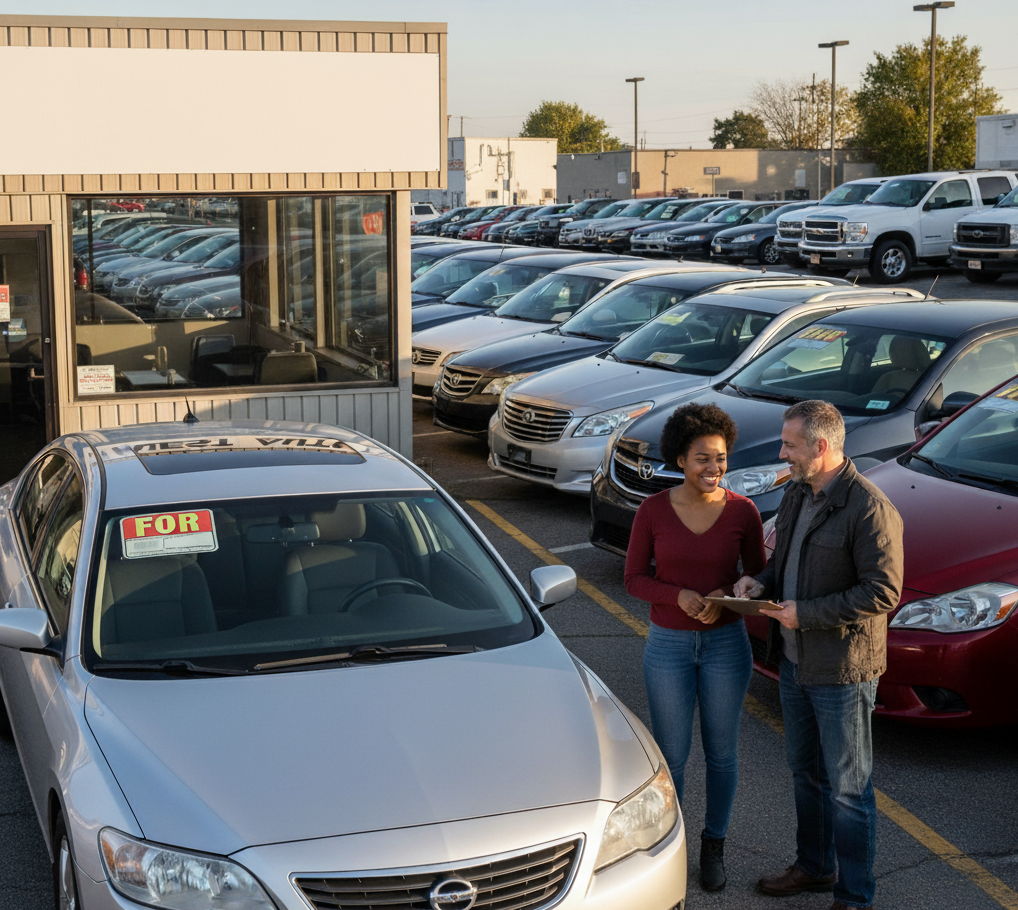
What to Expect When Shopping at a Used Car Dealership
Shopping for used cars can be an exciting yet daunting experience. Understanding what to expect when visiting a used car dealership is crucial for making informed decisions. This guide will provide you with insights into the car-buying process, empowering you to find the right pre-owned vehicle that meets your needs and budget.
What Should You Look for in Used Cars?
When shopping for used cars, the first step is to determine what you need. Consider factors such as the type of car you want, its fuel efficiency, and its reliability. Make a list of features that are important to you, whether it’s a spacious interior for family trips or a compact size for city driving. This will help streamline your search and ensure you focus on vehicles that truly fit your lifestyle.
Additionally, you should inspect the car history thoroughly. Ensure you get a vehicle history report to check for previous accidents, service records, and any outstanding recalls. A good car will have a clean history, giving you peace of mind as you make your purchase.
How Important is a Test Drive?
A test drive is one of the most critical steps in the car-buying process. It allows you to experience the used vehicle firsthand, assessing its comfort, handling, and functionality. During the test drive, pay attention to how the car feels on the road. Does it accelerate smoothly? Are the brakes responsive? Take the car on various types of roads to evaluate its performance.
Don’t hesitate to take your time during the test drive. If possible, drive it for at least 15-20 minutes to ensure it meets your expectations. Remember, this is the car you’ll be driving, so it’s essential to confirm it feels right for you.
What is the Role of a Vehicle History Report?
A vehicle history report is an invaluable tool when buying a used car. It provides detailed information about the car’s past, including ownership history, accident reports, and service records. Make sure to get the car inspected by a qualified mechanic before finalizing your deal.
By reviewing the vehicle history report, you can avoid potential pitfalls, such as buying a car that has been in significant accidents or has a title discrepancy. This report is essential for ensuring you make a sound investment in your used vehicle.
How Can You Negotiate the Best Deal?
Negotiating the price is a critical part of the car-buying process. Start by researching the market value of the used cars you’re interested in. Websites like Kelley Blue Book or Edmunds can help you determine fair car prices based on the make, model, and year.
When you visit the dealership, be prepared to negotiate. Don’t be afraid to make a counteroffer if the dealer’s pricing is higher than the market value. Remember, the dealer may offer various financing options or trade-in allowances that can affect the final price. Always keep your budget in mind and be ready to walk away if the deal doesn’t meet your expectations.
What Should You Know About Warranties and Extended Warranties?
Understanding the warranty options available can provide you with peace of mind when buying a used car. Many used car dealerships offer limited warranties that cover specific repairs for a set period after purchase. It’s essential to inquire about what the warranty covers and for how long.
Extended warranties are also available, which can provide additional coverage on your pre-owned vehicle. While these can be beneficial, assess whether the cost aligns with your budget and the potential repairs you might face. Always read the fine print to understand what is covered and what isn’t.
Should You Consider Trade-In Options?
If you have an old car that you’re looking to replace, consider a trade-in option. Most dealerships will evaluate your current vehicle and offer a trade-in value that can go toward the purchase of your new-to-you used car. Knowing the value of your trade-in can help you negotiate a better deal on the car you want.
Before visiting the dealer, research the value of your trade-in vehicle through online resources. This knowledge will empower you during negotiations, ensuring you receive a fair offer that reflects the current market value.
What Financing Options are Available?
When shopping for used cars, understanding your financing options is crucial. Many used car dealerships offer financing plans tailored to meet your budget. You can choose to buy a car outright or opt for a car loan to spread the payments over time.
Before committing to a loan, assess how much you can afford in monthly payments. Factor in interest rates, loan terms, and your credit score, as these elements will influence your financing options. It may also be beneficial to get pre-approved for a loan from your bank or credit union to have a better understanding of your budget going into the dealership.
What Should You Expect During the Buying Experience?
The buying experience at a used car dealership can vary significantly from one dealer to another. Generally, expect to fill out paperwork, undergo financing discussions, and possibly negotiate the price. The dealer may also offer additional products like extended warranties or service plans.
Be prepared for an engaging experience where the dealer will likely try to highlight the features of the car and the benefits of purchasing from their dealership. Keep your goals in mind and don’t feel pressured to make a decision on the spot. Take your time to ensure that the vehicle and the deal align with your needs and budget.
How to Get the Car Inspected?
Before finalizing your purchase, it’s wise to get the car inspected by a trusted mechanic. A thorough inspection can reveal hidden issues that might not be apparent during a test drive. Look for signs of wear and tear, fluid leaks, and the condition of the tires.
If you’re unsure about how to get the car inspected, ask the dealer if they offer this service. Many reputable car dealerships will allow you to take the vehicle to a mechanic of your choice before making a commitment, ensuring you have all the information needed for a sound purchase.
What Are the Final Steps in the Buying Process?
Once you’ve selected the right car and negotiated the price, you’ll move into the final steps of the buying process. This usually involves signing paperwork, transferring the title, and finalizing the financing arrangements. Be sure to review all documents carefully before signing to avoid any surprises later.
After completing the paperwork, it’s time to take your new car home! Make sure to double-check that you have all necessary documents, including the vehicle history report and warranty information, before leaving the dealership.
- Take your time in the car-buying process.
- Get a vehicle history report for peace of mind.
- Have the car inspected by a trusted mechanic.
- Negotiate for the best deal possible.
- Understand the warranty and financing options available.
Common Mistakes When Shopping at a Used Car Dealership
- Not Doing Sufficient Research: Many buyers fail to research the car’s market value and history before visiting the dealership.
- Skipping the Test Drive: Some shoppers neglect to test drive the vehicle, missing out on potential issues.
- Ignoring Vehicle History Reports: Buyers often overlook obtaining a vehicle history report, which can reveal past accidents or title issues.
- Focusing Solely on Monthly Payments: Many consumers concentrate on the monthly payment rather than the overall price of the vehicle.
- Not Considering Additional Costs: Shoppers frequently forget to account for insurance, taxes, and maintenance when budgeting for a used car.
- Rushing the Process: Impatience can lead to hasty decisions, causing buyers to overlook important details.
- Neglecting to Negotiate: Some buyers accept the sticker price without attempting to negotiate for a better deal.
- Overlooking Warranty Options: Many shoppers fail to ask about warranties or service contracts that may be available.
- Being Unprepared for Financing: Buyers may not explore financing options beforehand, leading to unfavorable loan terms.
- Disregarding the Dealership’s Reputation: Some consumers ignore the reputation of the dealership, which can affect their buying experience.
What Should Car Buyers Expect When Shopping for Used Cars?
When shopping for used cars, you can expect a wide variety of options at a dealership, including certified pre-owned (CPO) vehicles. The selection often includes various makes and models, which allows you to find the right car that fits your budget and needs. Additionally, dealerships may offer financing options and warranties that can enhance your buying experience. It’s important to do your research and understand the vehicle history report of each car you consider.
How Can You Guide Your Buying Experience at a Used Car Dealership?
To guide your buying experience at a used car dealership, start by determining how much you can afford to spend on a used car. Create a checklist of the features you desire in a vehicle and prioritize them. Test driving different cars is essential; it helps you assess their condition and comfort. Also, don’t hesitate to ask the dealer about any trade-in options or dealer offers that might benefit your purchase.
What Is the Process of Buying a Used Vehicle from a Dealer?
The process of buying a used vehicle from a dealer typically involves several steps. First, you’ll want to research and compare different models available. After finding a few options, visit the dealership to test drive the cars. Once you’ve selected the car you plan to buy, review the financing options, including any car loans available. Finally, make sure to get a vehicle history report and understand any warranties offered before finalizing your purchase.
How Do You Get a Vehicle History Report for a Used Car?
To get a vehicle history report for a used car, you can request it directly from the dealer or obtain it from online services like Carfax or AutoCheck using the car’s VIN. This report provides crucial information about the car’s past, including previous ownership, accident history, and any title issues. Understanding this information is vital for making an informed decision when buying a used vehicle.
What Should You Know About Extended Warranties When Buying Used Cars?
When buying used cars, it’s important to consider the option of extended warranties. These warranties can provide additional coverage beyond the standard dealer warranty, giving you peace of mind regarding potential repairs. Make sure to compare the terms and conditions of various extended warranties and understand what is covered. This can be particularly beneficial for older vehicles or those with higher mileage.
In conclusion, shopping for used cars at a dealership can be a rewarding experience if you are well-prepared. By following this guide to buying a used car, you will be equipped to make informed decisions and find a vehicle that suits your needs. Remember, if you are in the Marietta, GA area, check out Mega Motors, a trusted used car dealer where you can buy a used car with confidence. Their dedicated team is ready to assist you in your journey toward finding the perfect pre-owned vehicle.