Buy a Used Car: A Smart Financial Choice to Reach Your Financial Goals
Choosing to buy a used car instead of a new vehicle can be a smart financial decision that accelerates your progress toward long-term financial goals. This guide explores how opting for a used vehicle impacts your budget, credit, insurance, and overall financial future while helping you make informed purchasing a used car choices.
How can a used car purchase help you reach your financial goals?
Buying a used car can free up cash that would otherwise be tied to the purchase price and rapid depreciation of a new car. When you buy used, the purchase price is typically lower, which reduces how much you need to finance and lowers your monthly car payment — both useful for meeting broader financial objectives like building emergency savings, investing, or paying down debt.
Beyond immediate savings, the financial benefits of buying a used vehicle include lower insurance premiums in many cases and slower depreciation compared with new cars. These advantages make opting for a used car a practical part of a budget and long-term financial goals plan, helping you allocate money to priorities such as retirement, college funds, or a home down payment.
Why consider the depreciation difference between a new car and a used vehicle?
New cars lose value fastest in the first few years — a new car can depreciate 20%–30% in the first year and up to 60% in five years. Purchasing a used model avoids the steepest portion of depreciation, meaning your used vehicle retains a higher percentage of its value over time. This helps with resale value if you decide to sell or trade in later, supporting your overall financial decisions.
Lower depreciation also reduces the risk of being ‘upside-down’ on a car loan where you owe more than the car is worth. When you finance a used car, you typically borrow less than for a new car loan, making it easier to maintain positive equity and protecting your financial future.
How does financing a used car affect your monthly payment and budget?
One of the clearest financial benefits of buying a used car is a lower monthly car payment. Because the purchase price is smaller, the auto loan is typically smaller as well, which reduces monthly payments and interest paid over the loan term. This directly supports your monthly budgeting and can free cash flow for savings or debt reduction.
When planning to finance a used car, compare loan terms and rates from banks, credit unions, and dealership financing. Credit unions often offer competitive used car financing rates for members, and shorter loan terms reduce overall interest costs even if monthly payments are slightly higher. The goal is to align the monthly payment with how much you can afford without sacrificing other financial priorities.
Will buying used help improve or protect my credit score?
Financing a used car responsibly can help improve your credit score by adding a positive installment loan history, provided you make on-time payments. A steady on-time payment history reduces payment delinquency risk and can boost your credit mix — both factors that credit scoring models use to evaluate creditworthiness.
Before applying for a used car loan, check your credit score and shop rates to avoid multiple hard inquiries. Consider pre-approval from a credit union or bank to lock in favorable terms and know how much you can borrow, which helps you find the right used car within your budget and supports your overall financial goals.
What are the pros and cons of buying a used car versus buying new?
Weighing buying new vs. buy used involves trade-offs. Pros of buying used include lower purchase price, reduced depreciation, often lower insurance costs, and more buying power to get a higher-quality used model for the same price as a lower trim new car. Cons can include shorter remaining warranty coverage and potentially higher maintenance if the vehicle is older.
Buying new provides the latest safety features, full warranty coverage, and often lower maintenance initially, but new car costs and new car loans typically mean higher monthly payments and faster value loss. Consider your financial priorities and long-term goals — opting for a used car may be the better path toward achieving them.
How can inspecting the car and checking history protect your financial objectives?
Thorough inspection and vehicle history checks are essential when purchasing a used car. Inspect the car in person, take a test drive, and have a trusted mechanic perform a pre-purchase inspection. Checking vehicle history reports helps reveal past accidents, title issues, or odometer discrepancies, lowering the risk of unexpected repair costs that could derail your budget.
These steps preserve the financial benefits of buying a used car by reducing the chance of costly surprises and ensuring the used vehicle you buy supports your financial goals rather than creating new financial burdens.
Can choosing a used car reduce your overall cost of ownership?
Yes. The overall cost of car ownership includes purchase price, depreciation, insurance, maintenance, fuel, and financing costs. Because used models generally have a lower purchase price and slower depreciation, they often outperform new vehicles on total cost of ownership metrics — especially if you select a reliable used model with reasonable mileage and maintenance records.
To minimize ownership costs further, research typical repair expenses for the model year, consider certified pre-owned (CPO) options for extended warranty coverage, and factor in insurance quotes. Doing so helps you make a buying decision that aligns with your budget and long-term financial objectives.
How do interest rates and loan terms differ for used car loans versus new car loans?
Interest rates for used car loans are often higher than new car loans because lenders view used vehicles as higher risk due to age and potential maintenance needs. However, shopping for a used car loan across lenders — banks, online lenders, and credit unions — can help you find competitive used car financing. Credit unions frequently provide attractive rates for used vehicle loans, especially for members with good credit.
Loan terms matter: longer terms lower monthly payments but increase overall interest paid. When financing a used vehicle, aim for the shortest loan term you can afford to reduce interest and preserve equity. Pre-approval can also strengthen your negotiating position when you buy a car and help control the overall purchase price.
What financial strategies help you pay for a used car without harming long-term plans?
Set a clear budget and prioritize how much you can comfortably spend on a monthly car payment while still meeting savings, retirement contributions, and debt payments. A good rule is to keep total transportation costs (loan, insurance, fuel, maintenance) within a reasonable percentage of your net income so you maintain progress toward financial goals.
Consider making a larger down payment to reduce the loan amount and avoid being upside-down. If possible, buy a used vehicle with cash to eliminate finance charges entirely. If financing, choose a loan with a reasonable term and interest rate and avoid add-ons that inflate the purchase price and monthly payment.
How do vehicle choice and timing affect the financial benefits of buying used?
Which used vehicle you choose and when you buy it affect savings and long-term outcomes. Reliable makes and models with lower maintenance costs and strong resale value are best for financial benefits of buying used cars. Timing matters too: end-of-year sales, dealer incentives, or private seller availability can improve your negotiation leverage and reduce the purchase price.
Consider certified pre-owned programs for added warranty protection if you want more assurance. Also, avoid buying the latest model year used immediately after it loses value from new-to-used conversion unless it delivers a clear price advantage and low mileage.
What are practical steps to ensure financing a used car aligns with your financial priorities?
Start by calculating how much you can truly afford for a monthly car payment and total purchase price. Get pre-approved for a used car loan to understand interest rates and maximum loan amounts. Compare offers from credit unions, banks, and dealership financing to get the best used car loan terms — remember to factor in the total interest over the life of the loan.
Prioritize purchasing a reliable used vehicle that fits your lifestyle and long-term financial plans. Maintain an emergency fund to absorb unexpected repairs and keep up with regular maintenance to protect the value of your used car. These steps help balance car ownership with broader financial goals.
How can buying used free up money to achieve other financial goals faster?
Lower purchase price, smaller auto loans, reduced monthly payments, and slower depreciation combine to free up cash that can be redirected toward high-priority financial objectives. That freed-up money can accelerate debt payments, increase contributions to retirement accounts, build an emergency fund, or fund a down payment on a home — all actions that compound financial benefits over time.
For example, saving the difference in monthly car costs between a new and used car into an investment or debt repayment plan can yield substantial gains in net worth over a few years. Opting for a used vehicle is often an effective lever for rebalancing your budget toward long-term financial success.
What common mistakes should you avoid when purchasing a used car to protect your financial future?
Avoid skipping inspections or checking vehicle history reports — those short-cuts can lead to costly repairs and negate the financial benefits of buying used. Don’t stretch to the absolute maximum loan amount just because you’re pre-approved; buy within a budget that supports your other financial priorities.
Also, beware of high-interest dealer financing when better rates may be available through a credit union or bank. Read the loan terms closely and avoid unnecessary add-ons and warranty packages that increase the purchase price and monthly payment without clear value.
How do used car purchases fit into broader financial planning and car ownership goals?
Buying a used car can be a strategic component of broader financial planning. By reducing transportation costs, you can accelerate retirement savings, reduce consumer debt, or funnel resources into investments that grow your wealth. Used car ownership aligns well with conservative budgeting and disciplined long-term financial planning.
Assess how a used vehicle purchase impacts your short-term budget and long-term financial objectives. Make a plan that includes how you’ll finance or pay for the car, maintain it, and eventually sell or trade it. Consistent, thoughtful decisions around car buying help you meet financial goals and protect your overall financial future.
How can you find the right used car while meeting auto financing goals?
Research models known for reliability and low cost of ownership, set a clear budget, and secure pre-approval for financing to strengthen your negotiating position. Consider both private sellers and dealerships, and don’t hesitate to walk away if the terms don’t support your financial decisions. Used cars are generally a better fit for people prioritizing value, budgeting, and long-term financial goals.
Work with reputable lenders and consider credit unions for competitive used car financing. Inspect the car, review the vehicle history, and calculate the total cost of ownership to ensure the used vehicle you choose supports your monthly payment targets and broader auto financing goals.
What final checklist should you follow before buying a used car to ensure a smart financial decision?
- Set a firm budget including monthly car payment, insurance, fuel, and maintenance.
- Get pre-approved for a used car loan and compare rates from credit unions, banks, and dealers.
- Inspect the car, get a vehicle history report, and have a mechanic perform a pre-purchase inspection.
- Negotiate the purchase price based on market research and comparable listings.
- Avoid unnecessary add-ons and choose a loan term that minimizes interest while keeping payments affordable.
Summary: Key takeaways on how buying a used car can help you reach your financial goals
- Buying used reduces purchase price and slows depreciation, improving long-term value retention.
- Lower auto loan amounts mean smaller monthly payments and more cash flow for other financial priorities.
- Responsible financing of a used car can help build credit while avoiding being upside-down on a loan.
- Thorough inspection, vehicle history checks, and comparison shopping protect your financial objectives.
- Work with credit unions or banks for competitive used car financing and align loan terms with your budget.
Making the smart financial choice to buy a used car can be a powerful step toward meeting your financial objectives. If you’re ready to buy a used car or want guidance on how to finance a used car and find the best used vehicle, consider working with reputable dealers and lenders. Mega Motors, a Used Car Dealer in Marietta, GA, can help you buy a used car, navigate used car financing, and achieve your auto financing goals while enjoying the many benefits of buying used cars.
Buying a low-mileage used car: advantages of buying low mileage cars

Choosing a quality used vehicle with fewer miles on the odometer is one of the smartest moves a car shopper can make. This guide explores the advantages of buying a used car with low mileage, showing why opting for a low-mileage used vehicle often delivers better condition, lower maintenance costs, and stronger long-term value. Whether you’re shopping for a used car for the first time or a seasoned car buyer, understanding the benefits of buying a low-mileage used car will help you make an informed decision that matches your needs and budget.
1) What are the benefits of buying a low-mileage used car?
Buying a low-mileage used car gives car buyers numerous benefits, including less wear and tear and fewer repairs and maintenance in the near term. Low-mileage used cars typically show better condition compared with higher mileage alternatives, which means quality used vehicles can provide peace of mind and a lower total cost of ownership.
The benefits of buying a low-mileage used vehicle also include value better over time: vehicles with fewer miles often retain resale value more effectively, reducing depreciation impact when you decide to sell. For car shoppers focused on long-term savings, purchasing a low-mileage used car is often worth buying.
2) How does mileage affect the condition of the car?
Mileage car readings are a quick indicator of how much life a vehicle has left and how much wear and tear it has endured. Cars with lower mileage typically have fewer repairs and maintenance needs early on, translating to lower maintenance costs and a higher likelihood of finding quality used cars that run reliably.
When considering a low-mileage used vehicle, also evaluate the vehicle history and maintenance records. A low-mileage vehicle that has been well-maintained will usually be in better condition than a similarly low-mileage car with a patchy service history.
3) Why should I consider buying a low-mileage used vehicle instead of a new car?
Opting for a low-mileage used car can offer the benefits of buying newer car features at a lower price than purchasing a new car. Buying a used often avoids the steep depreciation that occurs the moment a new car is driven off the lot, giving buyers a better value for their budget.
Low-mileage used cars give many car buyers the ability to purchase quality used vehicles that are nearly new in comfort and technology while still enjoying the financial benefits of buying used. The buying process becomes simpler when you prioritize vehicles with fewer miles on the odometer.
4) What financial benefits come from purchasing a low-mileage used car?
Financial benefits of buying a low-mileage used car include lower purchase price compared with new car alternatives, reduced depreciation, and often lower insurance premiums. Because low-mileage used cars typically require fewer immediate repairs, maintenance costs are lower, which improves the total cost of ownership.
Additionally, a well-chosen low-mileage used vehicle can provide value better over time: you avoid the largest portion of a new car’s depreciation while still acquiring a low-mileage vehicle that retains resale value. For many car shoppers, this combination makes buying a low-mileage used vehicle a smart financial choice.
5) Are used cars with lower mileage less likely to require repairs?
Yes. Vehicles with lower mileage generally experience less wear and tear compared with higher mileage cars, making them less likely to require immediate or frequent repairs and maintenance. Buying a low-mileage used car reduces the chance of encountering costly issues that often arise after high-mileage thresholds are passed.
However, mileage is one factor among many—vehicle history, previous ownership, and maintenance records are essential to consider. A trusted used car with low mileage and a complete service history is your best bet for peace of mind and lower long-term repair costs.
6) How does depreciation differ between low-mileage used cars and high mileage cars?
Depreciation is a key component of the advantages of buying low mileage cars. New cars depreciate quickly in the first few years; by buying a low-mileage used vehicle, you absorb less of that initial depreciation while still acquiring a newer car experience. Cars with fewer miles on the odometer will usually retain value better over time than similar models with higher mileage.
When shopping for a used car, compare depreciation curves for the models you like: low-mileage used cars often present a stronger resale position and less steep value decline, which is an important consideration in the buying process and when planning your next purchase.
7) How can I find quality used cars with low mileage?
Finding quality used cars with low mileage requires a focused approach: search inventories online, filter for vehicles with fewer miles, and check trusted used car dealerships and private sellers. Look for inventory of low-mileage vehicles at reputable used car dealers, and verify that the vehicle history supports the mileage claim.
Tools like vehicle history reports, service records, and inspection certifications help car buyers identify quality used vehicles. Many low-mileage used cars come with extended warranties or certified pre-owned programs that enhance peace of mind for buyers.
8) What should I check in the buying process for a low-mileage used vehicle?
During the buying process, essential to consider are the vehicle history report, maintenance costs to date, and any signs of mechanical or cosmetic issues that contradict the odometer reading. Ensure the used vehicle has a documented service history and perform a pre-purchase inspection to make an informed decision.
Also evaluate your needs and budget: even among low-mileage used cars, differences exist in condition, trim levels, and optional equipment. Prioritize the features that matter most, and use checklists to compare the best options to buy a used car that fits your lifestyle.
9) Is choosing a low-mileage used car always worth buying?
Opting for a low-mileage used car is often worth buying, but it depends on the vehicle history and price. Many low-mileage used cars present numerous benefits like lower maintenance costs, less wear and tear, and better resale value, but buyers should ensure the price reflects the condition and any extras like warranties or certifications.
High mileage isn’t always a deal-breaker if the car was well-maintained, but for car buyers seeking longer-term reliability with fewer surprises, choosing a low-mileage used car typically offers greater peace of mind and value.
10) How do low mileage impact insurance, maintenance, and running costs?
Low mileage impact on running costs is typically positive: insurance premiums can be lower for low-mileage vehicle owners, and the frequency of repairs and maintenance is usually reduced compared with high-mileage cars. Lower maintenance costs make the choice for vehicles with lower mileage attractive to budget-conscious car shoppers.
When evaluating maintenance, consider both immediate service needs and expected future expenses. A low-mileage used car can provide predictable costs and fewer surprises, helping you plan your finances and enjoy your car with less hassle.
11) How can I compare the advantages of buying a used vs. buying a new car?
Comparing advantages of buying a used versus new car centers on price, depreciation, and condition. Buying a used, especially a low-mileage used car, often produces significant savings up front and lower depreciation losses, while still delivering many features of a newer car.
On the other hand, new cars offer manufacturer warranties, the latest technology, and zero previous wear. For many car buyers, the sweet spot is purchasing a quality used car with low mileage to balance lower costs with reliable performance and fewer maintenance expenses.
12) What are practical tips for negotiating when purchasing a low-mileage used vehicle?
When negotiating, use data to support your offer: compare similar listings, highlight the vehicle history, and factor in maintenance costs and potential upcoming services. Many car buyers find that an informed negotiation—backed by comparable prices and a thorough inspection—results in a fair purchase price for a low-mileage used car.
Be ready to walk away if the asking price doesn’t reflect the benefits of buying a low-mileage used vehicle. A trusted used car dealership or private seller who values transparency will make the buying process smoother for both parties.
13) What warranties or certifications should I look for in low-mileage used cars?
Certified pre-owned (CPO) programs and extended warranties are valuable when shopping for a low-mileage used car. These programs often include rigorous inspections and offer additional warranty coverage, making quality used cars with low mileage even more attractive to car buyers.
Ask about remaining factory warranties, dealer-backed guarantees, and any available service contracts. These protections reduce the risk of unexpected repairs and increase the peace of mind that comes with purchasing a low-mileage used vehicle.
14) How do I prioritize needs and budget when choosing a low-mileage used car?
Prioritizing needs and budget helps you navigate the used car market effectively. Decide which features—fuel efficiency, cargo space, safety tech, or brand reliability—matter most, and target low-mileage used vehicles that meet those priorities within your price range.
Balance the many benefits of buying a low-mileage used car with realistic expectations about condition and maintenance. A clear set of priorities will help narrow down many car options and find the perfect low-mileage used that fits both needs and budget.
15) How can car buyers validate the mileage and history of a low-mileage used car?
Validating the mileage car and history is essential to ensure you’re getting what you pay for. Obtain a vehicle history report, inspect service records, and request a pre-purchase inspection from a trusted mechanic or dealership. These steps help confirm that the used vehicle’s odometer reading is accurate and that the car was maintained properly.
Additionally, look for consistency across documents and check for any signs of rollback or tampering. A trustworthy seller or a certified used car dealership typically provides transparent documentation, which helps car buyers confidently move forward with purchasing a low-mileage used vehicle.
16) What are the common misconceptions about low-mileage used cars?
A common misconception is that a low-mileage used car is always perfect; while low mileage is a strong positive, it doesn’t replace the need to check vehicle history and condition. Some low-mileage cars may have been driven infrequently and could suffer from issues like old tires or stalled maintenance.
Another myth is that high mileage automatically means a bad car. Well-maintained high-mileage vehicles can still be reliable, but for many buyers seeking fewer repairs and maintenance, opting for a low-mileage used vehicle offers practical benefits and peace of mind.
17) How does choosing a low-mileage used car help with long-term ownership goals?
Choosing a low-mileage used car supports long-term ownership goals by reducing the likelihood of near-term repairs and preserving resale value. Vehicles with fewer miles on the odometer often remain in better mechanical and cosmetic condition, helping owners enjoy several years of reliable use.
For those planning to keep their vehicle for multiple years, purchasing a low-mileage used car can mean lower maintenance costs over time, predictable value better over time, and a smoother ownership experience compared with jumping into a higher mileage purchase.
18) Where should I shop for the best selection of low-mileage used cars?
Find a trusted used car dealership, certified pre-owned programs, and reputable online marketplaces when shopping for a used car with low mileage. Look for dealers with transparent vehicle history, a strong used inventory online, and positive reviews from many car buyers who have experienced the buying process.
Local trusted used car dealerships often offer inspections, warranties, and a curated inventory of low-mileage used cars, which can simplify your search and improve your chances of finding a quality used vehicle that suits your needs.
19) How do I balance price and condition when evaluating low-mileage used cars?
Balancing price and condition requires careful comparison of similar vehicles, factoring in mileage, service history, and any included warranties. While many low-mileage used cars command higher prices than higher mileage equivalents, the savings in maintenance and depreciation often justify a slightly higher upfront cost.
Use online valuation tools, compare offers, and consider the total cost of ownership—insurance, expected maintenance, and projected resale value—so you can buy a used car that offers the best overall value for your budget.
20) What final steps ensure a successful purchase of a low-mileage used vehicle?
Before finalizing the purchase, complete a thorough inspection, confirm the vehicle history, and test drive the car to ensure everything performs as expected. Verify any remaining warranties and understand the buying process so you can secure favorable financing or payment terms if needed.
Taking these final steps helps you avoid surprises and reinforces the advantages of buying a low-mileage used car, enabling you to enjoy the many benefits of purchasing a low-mileage used vehicle with confidence.
Key takeaways
- Low-mileage used cars typically offer less wear and tear, fewer repairs and maintenance, and better condition compared with higher mileage alternatives.
- Purchasing a low-mileage used car can deliver strong financial benefits: lower depreciation, reduced maintenance costs, and better resale value.
- Validate mileage and vehicle history through reports, service records, and pre-purchase inspections to make an informed decision.
- Consider certified pre-owned programs and dealer warranties to increase peace of mind when buying a used vehicle.
- Shop trusted used car dealerships and online inventories to find quality used cars with low mileage that meet your needs and budget.
When you’re ready to find the right low-mileage used car, consider reputable local options like Mega Motors, a Used Car Dealer in Marietta, GA. Mega Motors offers an inventory of low-mileage used cars, trusted used car professionals, and resources to help you navigate the buying process. Whether you’re looking for the benefits of buying a low-mileage vehicle, low-mileage used cars, or a car with low mileage, choosing the right dealer can make the advantages of buying low mileage cars a reality for your next purchase.
Buying a Used Car: Smart Choice for Budget-Conscious Buyers

Choosing a used car is increasingly a smart choice for many buyers who want the benefits of car ownership without the rapid depreciation and high costs of a new car. Whether you’re looking to purchase a used car for daily commuting or as a family vehicle, understanding why buying a used car can be a better option for budget-conscious buyers helps you make an informed, value-driven decision.
This guide explores the advantages of buying a used, the dynamics of the used car market, warranty and certified pre-owned options, financing choices, and practical tips for finding a reliable used vehicle that fits your budget.
How do depreciation and value in the first years affect used cars?
One of the biggest advantages of buying a used is that new cars lose value the fastest in the first few years. A new vehicle can drop in value by 20–30% in the first year alone and continue to decline over the next few years. By choosing a pre-owned vehicle that’s a few years old, budget-conscious buyers avoid the steepest portion of depreciation and get more value for their money.
Because cars depreciate quickly when new, purchasing a used car often means you can buy a higher trim or newer model for the same price as a base new model. This strategy delivers more features, better reliability, and a lower overall cost of ownership over time, making buying a used car a financially smart choice.
Will warranty and certified pre-owned programs provide peace of mind?
Many used cars often come with warranty options that bridge the gap between new and used vehicle ownership. Certified pre-owned (CPO) and certified pre-owned vehicles typically include extended warranties, multipoint inspections, and manufacturer-backed benefits that provide extra peace of mind for budget-conscious buyers. These programs reduce the risk associated with purchasing a used vehicle.
Opting for a certified pre-owned vehicle can make buying a used more attractive because you get the assurance of an inspection, often a warranty extension, and sometimes roadside assistance. While a CPO vehicle might cost more than a non-certified used car, the reduced uncertainty and potential lower maintenance costs often justify the investment.
How can buying a used car lower insurance premiums?
Another area where used cars shine for budget-conscious buyers is insurance premiums. Insurance rates for used cars are generally lower than for new vehicles because the replacement value of a used vehicle is less. Lower insurance premiums reduce monthly ownership costs, helping buyers keep more money in their pocket over the life of the vehicle.
When shopping, ask insurers for quotes on specific used models to compare anticipated premiums. Many used cars are cheaper to insure, and combined with lower registration fees and less risk of total loss in the first few years, the total cost of ownership becomes more favorable compared to buying new.
What financing options exist for purchasing a used car?
Financing a used car has become easier as lenders and credit unions offer competitive loans designed for pre-owned vehicle purchases. While financing a new car sometimes yields lower rates, many institutions now provide attractive terms for used cars, allowing budget-conscious buyers to spread costs without paying excessive interest.
When considering financing, compare offers from banks, credit unions, dealer financing, and online lenders. Look for terms that balance monthly payment and total interest paid. Making a larger down payment or choosing a shorter loan term can maximize savings and help you get more value from a used vehicle purchase.
How do inspections and vehicle history reports protect buyers?
Inspection and vehicle history reports are critical when buying a used car. A professional pre-purchase inspection can reveal mechanical issues and hidden damage, while vehicle history reports disclose past accidents, title issues, and maintenance records. Together these tools help budget-conscious buyers make safer, smarter purchases.
Always request a comprehensive inspection and a CARFAX or AutoCheck report before you purchase a used vehicle. If problems are discovered, you can negotiate a lower price, request repairs, or walk away. This diligence prevents unexpected costs and ensures the used car you choose is reliable.
Are certified pre-owned vehicles worth the extra cost?
Certified pre-owned (CPO) vehicles sit between brand-new cars and typical used vehicles. CPO cars often come with manufacturer-backed warranties, thorough inspections, and sometimes free scheduled maintenance. For budget-conscious buyers, CPO cars provide the benefits of buying used combined with the reassurance of a warranty and quality checks.
While certified pre-owned vehicles may carry a premium over non-certified used cars, the reduced risk and added protections frequently make CPO cars a smart investment. If peace of mind and lower long-term repair costs matter to you, opting for a certified vehicle is worth considering.
How does choosing a used car help you get more value and features?
Buying used frequently lets shoppers acquire higher-specification models or additional features that would be out of budget if bought new. Because many used cars are just a few years old, they include modern safety tech, comfort upgrades, and entertainment systems at a fraction of the new vehicle price.
By focusing on depreciation and comparing similar models across years, budget-conscious buyers can find used cars with better equipment levels, more reliability, and a lower total cost of ownership than purchasing a new model with fewer features.
Can buying used be an environmentally smart choice?
Choosing a used vehicle can be an environmentally responsible choice. Extending the life of a pre-owned car reduces demand for new car production, which in turn decreases the environmental costs from manufacturing. The used car market offers a way to enjoy the benefits of car ownership without contributing as heavily to resource consumption and industrial emissions.
For buyers who value sustainability, a reliable used car is often a win-win: you get lower costs and reduce your environmental footprint. Shopping for high-efficiency used vehicles or well-maintained hybrids can further improve long-term fuel economy and environmental impact.
How do reliability and maintenance play into the decision to buy used?
Ensuring reliability is essential when purchasing a used car. Many models known for longevity and low maintenance can be excellent choices for budget-conscious buyers. Researching model reliability, owner reviews, and maintenance costs helps you avoid used cars that become money pits.
Regular maintenance history and records are strong indicators that a used car will remain reliable. Look for cars that often come with documented services and choose models reputed for durability to enjoy the benefits of buying a used without frequent repair bills.
What steps should I take when shopping for used cars to ensure the best deal?
Shopping for used cars requires a methodical approach: set a realistic budget, research models with strong reliability, obtain vehicle history reports, and secure a pre-purchase inspection. Comparing prices across dealers and private sellers helps you identify fair market value and deals that offer the best balance of price and condition.
- Set a firm budget and include insurance, taxes, and maintenance.
- Compare used car market prices for similar model years and trims.
- Get a pre-purchase inspection and request maintenance records.
These steps protect your investment and ensure you buy a used car that delivers value, reliability, and peace of mind.
How do advantages of buying a used compare to buying new for budget-conscious buyers?
Comparing buying new versus purchasing a used car shows clear advantages for budget-conscious buyers. New cars offer the latest technology and full manufacturer warranties, but new vehicle depreciation and higher purchase price often make them less cost-effective. Buying used typically reduces initial expense, lowers insurance premiums, and mitigates the significant drop in value that comes with a new vehicle’s first years.
For many buyers, the benefits of buying used—such as lower monthly payments, reduced insurance premiums, and greater purchasing power—make a used car a better option. Whether you’re prioritizing long-term savings, reliability, or immediate value, a used vehicle often proves the smarter investment.
How can extended warranties and cpo coverage impact the total cost?
Extended warranties and certified pre-owned coverage can influence the total cost of owning a used car. While these protections add upfront cost, they can reduce unexpected repair bills and provide peace of mind. Many used cars often come with extended warranties or the option to purchase them, which helps budget-conscious buyers plan for future expenses.
Evaluate the cost of extended coverage against the likely repair costs for the specific model. For vehicles with a history of dependable performance, a modest extended warranty may be unnecessary, but for higher-mileage purchases or luxury models, extended warranties can be a worthwhile safety net.
How does the used car market offer choices for different buyer needs?
The used car market offers a wide range of vehicles, from economy cars to luxury models, SUVs to hybrids. This diversity allows buyers to find a pre-owned vehicle that fits their needs, whether it’s a commuting car, family transporter, or a reliable used car for weekend trips. Many used cars are available across price points, making the market ideal for budget-conscious buyers.
By shopping across private sellers, dealerships, and certified pre-owned inventories, you can compare used car offers and select a vehicle that aligns with your priorities—cost, reliability, fuel economy, or features—without overspending.
How should I negotiate and finalize the purchase of a used car?
Negotiation is often a key step in securing the best deal when buying a used car. Start by researching the used car market value for the model, year, and trim you want. Use vehicle history and inspection findings as leverage to negotiate price or request repairs. Be ready to walk away if the deal doesn’t meet your budget and standards.
Once you agree on a price, verify the title, complete necessary paperwork, and ensure any promised warranties or documentation are in writing. If financing, confirm loan terms and total costs to ensure the deal fits your financial plan. These steps protect your purchase and lock in the advantages of buying a used car.
Summary: Key takeaways for budget-conscious buyers
- Depreciation: Used cars avoid the steepest loss of value that new cars experience in the first few years.
- Value: You can often buy a higher-trim or newer model for the same price as a basic new car.
- Insurance & Costs: Used vehicles typically come with lower insurance premiums and registration fees.
- Warranty & CPO: Certified pre-owned and extended warranties add peace of mind and lower risk.
- Financing: Competitive financing options make purchasing a used car accessible.
- Inspection & History: Pre-purchase inspections and vehicle history reports are essential safeguards.
- Environment: Choosing used can be a more sustainable option by reducing demand for new car production.
In conclusion, whether you’re looking to make a smart investment or simply need reliable transportation, used cars are the best option for many. The advantages of buying a used—lower depreciation, more value for money, reduced insurance premiums, and access to certified pre-owned vehicles—make buying a used car a compelling option for budget-conscious buyers. If you’re shopping for a pre-owned vehicle and want expert help, consider visiting Mega Motors, a Used Car Dealer in Marietta, GA, where budget-conscious buyers can find many used cars, certified pre-owned vehicles, and guidance on financing options and inspections to enjoy the benefits of buying used and secure a reliable pre-owned car that fits their needs.
Understanding The Difference Between a Used Car Dealer and a Private Owner
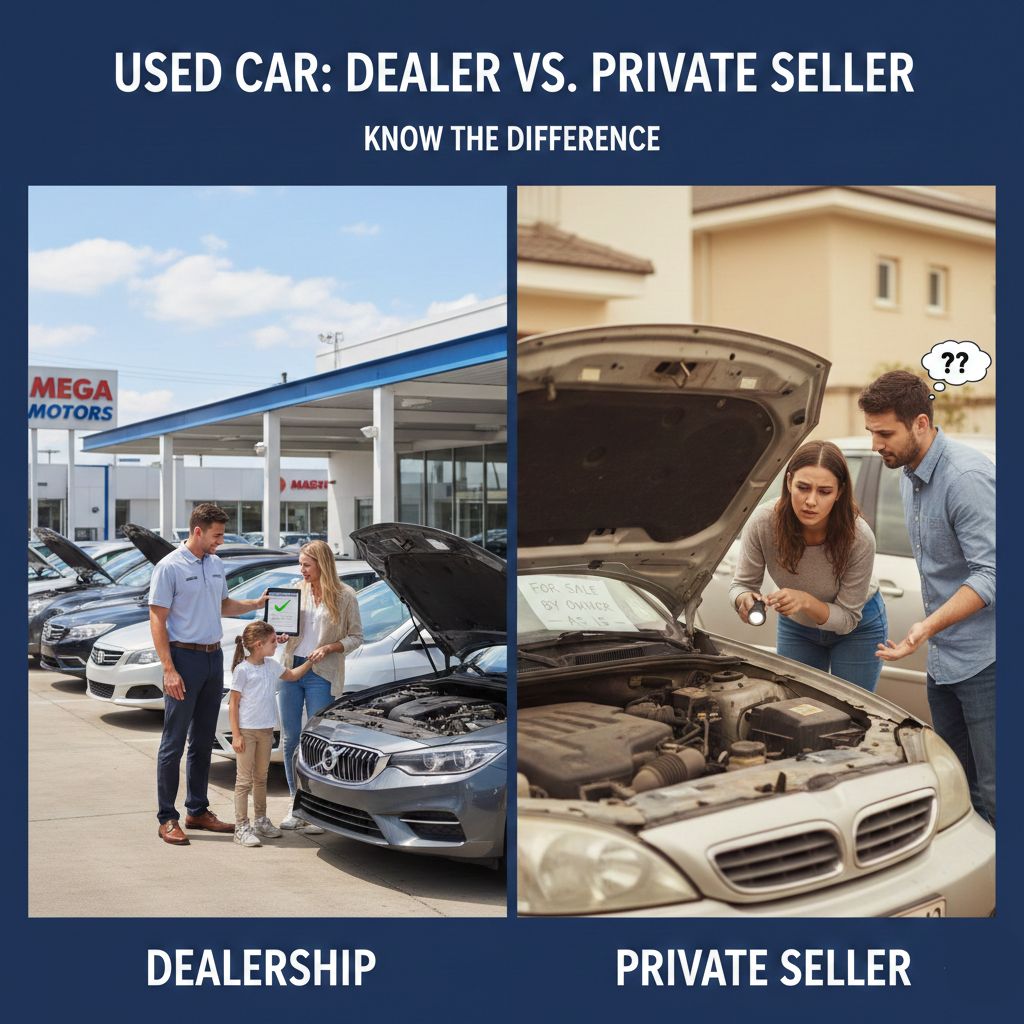
Buying a used car is one of the most significant purchases many people make, and understanding the difference between a used car dealer and a private owner can save time, money, and stress. Whether you plan to buy from a dealership or a private seller, this guide explains the advantages and disadvantages of each path, outlines how to inspect the car, and helps you make an informed decision that matches your needs and budget.
What are the main differences between buying from a dealer vs a private seller?
The core difference between a used car dealer and a private owner lies in their roles and protections offered. Used car dealerships often provide warranties, financing options, and a structured buying experience, giving buyers added peace of mind. By contrast, purchasing from a private seller typically means lower prices but fewer formal protections; private sellers may sell “as-is” and private sales often lack dealer-backed guarantees.
When comparing dealer versus a private seller, consider vehicle history report availability and whether the seller will allow an independent inspection. Dealerships often provide vehicle history reports with each listing and may perform inspections before sale. Private owners may be willing to share records but are not required to provide a warranty or certified inspection, so purchasing from a private owner requires more diligence to make an informed decision.
How does warranty coverage differ when buying from a used car dealer or a private owner?
Warranties are a major factor in the pros and cons of buying used. Used car dealers often include limited warranties, certified pre-owned programs, or optional extended warranty plans. These protections offer peace of mind and potential savings on unexpected repairs, which can be especially valuable when purchasing a car from a dealership.
Buying from a private seller usually means the car is sold without warranty, unless the private owner chooses to offer a short-term guarantee. Private sellers may advertise a low price, but the lack of warranty shifts the risk of repairs to the buyer. Weigh the lower purchase cost against possible repair bills when choosing between a dealer and a private seller.
Why should I get a vehicle history report whether I buy from a dealer or a private seller?
A vehicle history report is essential whether you buy a used car from a dealership or a private owner. Dealerships often provide vehicle history reports as part of their listing, which helps buyers assess past accidents, title issues, and maintenance records. A reputable used car dealer will make this information readily available to build trust.
Private sellers may or may not provide a vehicle history report. Purchasing from a private owner means you should request or obtain the vehicle history report yourself to verify the car’s background. Doing so helps you navigate the used car market safely and supports better decision-making when purchasing from a private seller or a dealer.
What are the financing options when buying from a used car dealership vs purchasing from a private seller?
Financing options are one of the biggest advantages of buying from a used car dealership. Dealerships often partner with banks and lenders to offer loans, flexible payment plans, and trade-in deals. If you need to buy a car with financing, a car dealership can simplify the process and provide multiple loan options to fit your budget.
Buying from a private seller usually requires paying cash or arranging a private loan, which can limit financing flexibility. Purchasing from a private owner may be cheaper upfront, but the lack of dealer financing options means you’ll need to set up your own loan or pay cash. Consider financing availability when deciding whether to buy from a dealer or a private seller.
How do prices compare between a used car dealership and a private owner?
Price differences are a common reason buyers consider private sales. Private sellers may list a used car at a lower price than a comparable car from a dealership because they don’t have overhead costs or the same profit margins as used car dealerships. This can make buying from a private seller attractive for budget-conscious buyers.
However, dealerships often include services, inspections, and sometimes warranties that can justify a higher price. When comparing car from a dealer versus car from a private owner, calculate the total cost of ownership, factoring in potential repairs, warranty value, and financing options to determine which route offers the best value.
What inspection steps should I take when purchasing from a private seller or a dealership?
Whether you’re buying from a dealer or a private seller, you should always inspect the car thoroughly. Used car dealerships often perform pre-sale inspections, but you should still inspect the car and request maintenance records. Private sellers may encourage an independent inspection; make sure to take advantage of that option when purchasing from a private owner.
Key inspection steps include: 1) getting a vehicle history report, 2) doing a test drive, 3) having a trusted mechanic perform a pre-purchase inspection, and 4) checking for title issues and open recalls. These steps help you spot problems early and make an informed decision whether the car is from a dealer or a private seller.
What are the pros and cons of buying from a used car dealer versus purchasing from a private owner?
Understanding the difference between a dealer and a private seller includes weighing the pros and cons of each. Advantages of buying from a dealership include warranties, financing options, and regulated sales practices. Dealerships often offer additional services like trade-ins and post-sale support. On the other hand, private sales can be cheaper, and private sellers may be more flexible on price and negotiation.
Cons of buying a used car from a dealer may include higher prices and potential sales fees. Private owners may not offer paperwork or warranties, and private sellers may not disclose all issues. To make an informed decision, compare the advantages and disadvantages, factor in the peace of mind that comes with dealer-backed purchases, and balance cost savings against potential risks in private sales.
How does negotiation differ when dealing with a dealership or a private seller?
Negotiation strategies differ between car dealerships and private sellers. Dealerships have set pricing structures and may be less flexible on price but can offer incentives like financing deals or trade-in allowances. When buying from a used car dealer, be prepared to negotiate add-ons, warranties, and financing terms as part of the final price.
Private sellers may be more open to direct negotiation on price since they are often motivated to sell quickly. Purchasing from a private owner allows for straightforward bargaining on the car price, but remember to account for the lack of warranty and possible unseen repair costs when agreeing on a final figure.
Are there legal protections and paperwork differences between dealer and private sales?
Yes — legal protections and paperwork differ markedly when you buy from a car dealership versus a private seller. Dealerships must follow state and federal regulations, provide proper paperwork, and often assist with title transfer and registration. A reputable used car dealer will ensure compliance and typically offer clear documentation for the sale.
Private sales rely on the buyer and private owner to complete paperwork correctly. When purchasing from a private seller, verify the title is clean, ensure the VIN matches paperwork, and complete the bill of sale, title transfer, and emissions or safety certifications required in your state. Lack of formal protections in private sales means you must be diligent to avoid future liabilities.
How can I assess the trustworthiness of a used car dealer or a private seller?
Assessing trust starts with research. For a dealership, check online reviews, Better Business Bureau ratings, and whether the used car dealer operates transparently with posted vehicle history reports and warranties. Used car dealerships that provide clear records and allow inspections are more likely to be reputable used car dealers you can trust.
For private sellers, ask for maintenance records, a vehicle history report, and references if possible. Private sellers may be honest and motivated, but private owners may also hide issues. Use independent inspections, verify ownership, and confirm service records to determine if purchasing from a private owner is safe and suitable for your needs.
When is buying from a dealership better than buying from a private owner?
Buying from a car dealership is often better if you value warranties, financing options, and a structured buying experience. If you prefer added peace of mind and support after the sale, a used car from a dealership can provide those benefits. Dealerships often handle trade-ins, registration, and offer certified pre-owned programs that simplify purchasing a used car.
Conversely, buying from a private owner might be preferable when you want the lowest purchase price and are comfortable managing inspections, paperwork, and potential repairs yourself. Evaluate your priorities — cost savings versus dealer protections — to decide whether a dealership or a private seller better fits your situation.
How do I make an informed decision between a dealer and a private seller when buying used?
To make an informed decision, compare the total package: price, warranty, financing, vehicle history report, inspection results, and legal protections. Create a checklist that includes a vehicle history report, mechanic inspection, title verification, and financing options. Whether you are buying from a used car dealer or purchasing from a private seller, this checklist helps you navigate the used car market with confidence.
Also consider long-term costs like maintenance and resale value. A car from a dealer may cost more up front but save money with a warranty and trustworthy servicing. A car from a private seller may save you money initially but could cost more in unexpected repairs. Use these factors to weigh dealer versus private seller options and make the best choice for your budget and peace of mind.
What final steps should I take before completing a purchase from a used car dealership or private owner?
Before finalizing any purchase, take these final steps: obtain the vehicle history report, complete a pre-purchase inspection, verify the title and odometer, compare financing options, and review warranty terms. If buying from a dealer, confirm all fees and paperwork; if buying from a private seller, ensure the bill of sale and title transfer are correctly executed.
Consider a short trial or certified inspection to catch hidden issues. Whether you buy a used car from a dealership or a private owner, these steps will help you reduce risk and ensure you are making an informed decision that aligns with your needs and long-term plans.
How do advantages and disadvantages of each option impact long-term ownership?
Long-term ownership considerations include reliability, ongoing costs, and resale value. Dealerships often provide certified inspections and warranties that can reduce long-term repair expenses. Used car dealerships may also perform rigorous maintenance checks that contribute to better long-term ownership experience and potentially higher resale value.
Purchasing from a private owner can lower initial purchase price, but private owners may not have performed consistent maintenance or held detailed records, which could lead to higher long-term costs. Weigh the advantage of buying used at a lower price versus the disadvantage of potential maintenance surprises when deciding between dealer and private seller options.
What negotiation and closing tips help when buying from a dealer or a private seller?
Effective negotiation starts with research: compare similar listings from used car dealerships and private sellers, check the vehicle history report, and know the market value. When dealing with a dealership, ask about financing incentives, warranty packages, and dealer fees. When purchasing from a private owner, be ready to negotiate on price and request written proof of maintenance.
At closing, confirm everything in writing. For dealer purchases, review all contract terms carefully and ensure any verbal promises are included. For private sales, get a signed bill of sale, confirm the title transfer process, and secure temporary tags if needed. These closing steps will protect you whether you buy from a dealer or a private seller.
How do I balance price, risk, and convenience in the decision to buy from a dealership or a private owner?
Balancing price, risk, and convenience depends on your priorities. If convenience, financing options, and post-sale support matter most, a used car dealer is likely the better choice. Dealers provide structured processes that reduce buyer risk and often include warranties or certified programs for extra confidence.
If minimizing purchase price is your primary goal and you are comfortable managing risks and inspections, purchasing from a private owner can be a cost-effective route. Be sure to obtain a vehicle history report, verify maintenance records, and perform an independent inspection to mitigate risks associated with private sales.
Summary: Key takeaways to help you decide between a dealer and a private seller
- Dealerships often provide warranties, financing options, and vehicle history reports that increase peace of mind.
- Private sellers may offer lower prices, but private sales often come without warranty and require careful inspection and paperwork checks.
- Get a vehicle history report and independent inspection whether you buy from a used car dealer or a private owner.
- Compare total cost of ownership — upfront price, potential repairs, financing costs, and resale value — to make an informed decision.
- Verify titles, complete proper paperwork, and consider dealer vs private seller negotiation tactics to secure the best deal.
Choosing between a dealer and a private seller is about weighing advantages and disadvantages, assessing the trustworthiness of the seller, and determining how much risk you’re willing to accept for a lower price. Whether you decide to buy from a dealer or purchase from a private owner, these steps will help you navigate the used car market confidently. If you’re considering buying from a used car dealer, visit Mega Motors, a Used Car Dealer in Marietta, GA, for reliable listings and dealership services. Mega Motors can help you with vehicle history reports, financing options, and the peace of mind that comes from buying from a reputable used car dealer, giving you a clear comparison to buying from a private seller or a private owner when searching for the right car.
Buying a Used Vehicle: What to Expect at a Pre-Owned Car Dealership
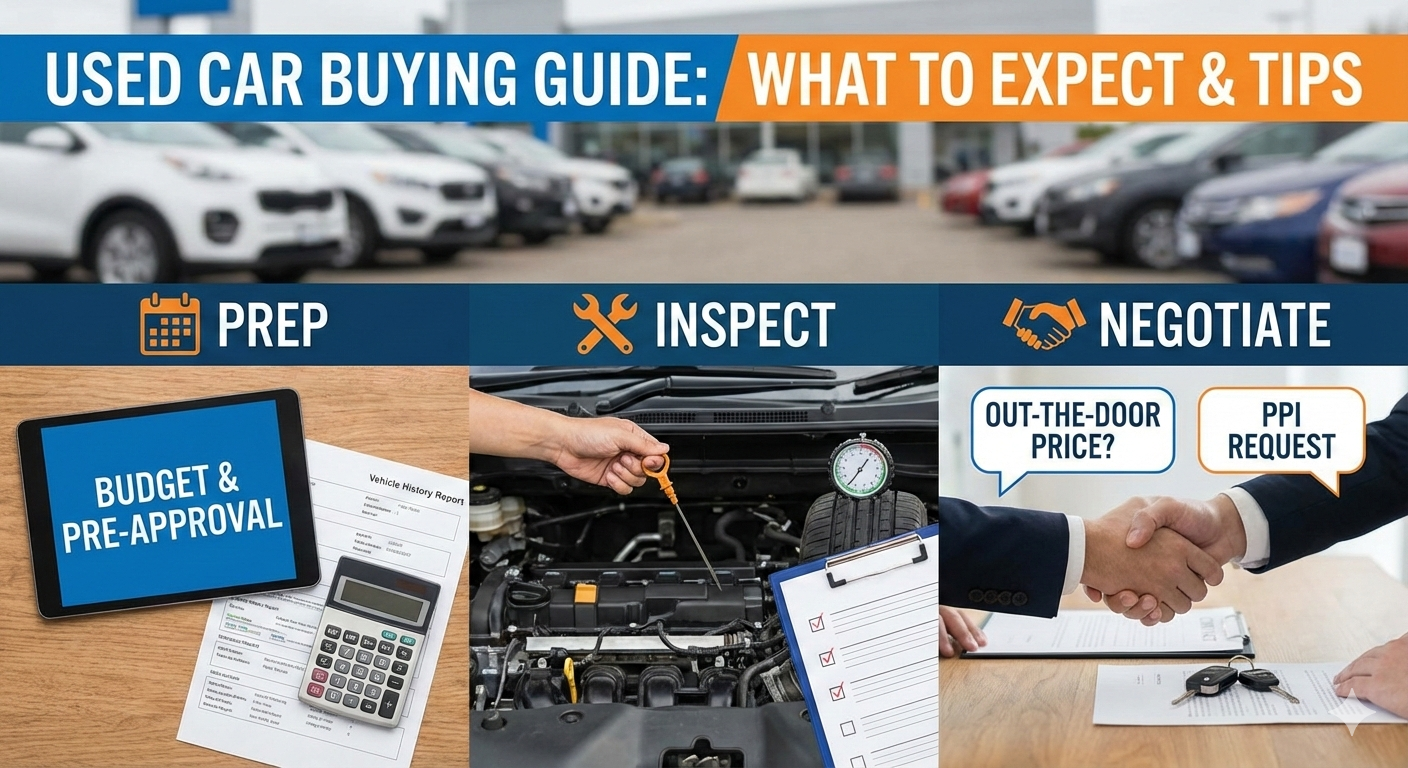
Shopping at a used car dealership can be both exciting and overwhelming. Whether you want to buy a used car for daily commuting, a family vehicle, or a quality used weekend ride, knowing what to expect helps you make a confident purchase. This guide outlines the buying process, provides practical tips for buying a used vehicle, and helps you find a car that fits your needs and budget with peace of mind.
1. What should I know about used cars for sale at a dealership?
When browsing used cars for sale, dealerships typically offer a wide selection of quality used vehicles across makes, models, and price points. Many dealerships provide detailed listings online with photos, basic specs, and pricing to help you narrow down options before you visit a used car dealership. Understanding what each listing includes — trim level, mileage, and any dealer-offered inspections — will help you compare vehicles and focus on cars that suit your needs and budget.
Be aware that many used car dealerships will provide additional information about the car like service records, certification status, and any reconditioning work completed. This transparency makes buying from a dealer different from private-party purchases and often reduces uncertainty when purchasing a pre-owned vehicle.
2. How can I evaluate the price of the car when shopping at a used car dealership?
Before visiting a used car dealership, research the price of the car using resources like Kelley Blue Book and market listings to understand fair value. Knowing what similar models are selling for gives you leverage during negotiations and helps you spot deals or overpriced listings. Many dealerships offer pricing that reflects reconditioning, warranties, and financing convenience, so compare apples to apples when evaluating cost of the car.
Consider total cost, not just sticker price: taxes, fees, and optional dealer add-ons affect the final number. Dealerships often disclose financing options and payment plans, so get quotes for both cash purchase and financed scenarios to see what works best for your budget.
3. What should I expect from a test drive the car at a dealership?
Test drive the car thoroughly to learn how the car feels and handles in real-world conditions. A meaningful test drive should include city streets, highways, and any terrain similar to your daily driving. Pay attention to how the car accelerates, brakes, steers, and whether you notice unusual noises or vibrations — these can signal underlying issues with a used vehicle.
Bring a checklist and test specific items: A/C and heating, infotainment, seat comfort, blind spots, and visibility. Dealerships typically encourage test drives, and reputable used car dealerships will be cooperative if you request an extended route or an additional drive to confirm the car fits your needs and driving style.
4. What role does a vehicle history report play when buying from a used car dealership?
A vehicle history report is a crucial piece of information when considering a used car from a dealership. Reports from services like CARFAX or AutoCheck detail previous ownership, accident history, title status, and service records. Many dealerships will provide a vehicle history report upon request or include it in the listing to boost buyer confidence and transparency in the buying process.
Review the report carefully for red flags such as salvage titles, odometer discrepancies, or repeated accident claims. If the report raises concerns, ask the dealer for documentation or opt to inspect other used cars for sale. Understanding what to expect from a report helps you avoid buying a problematic used vehicle and protects your investment.
5. Will I get a warranty or peace of mind when buying a used vehicle from a dealer?
One of the main benefits of buying used from a dealer is the potential for a warranty or certified pre-owned coverage. Many dealerships offer limited warranties, extended service plans, or certified programs that provide added peace of mind compared to private-party sales. Ask whether the used car comes with any warranty, what it covers, and the duration—this will impact your long-term ownership costs.
Even if a used car doesn’t come with a full warranty, dealerships often include post-sale support or inspection records that help you understand the car’s condition. Knowing what to expect regarding warranty options and dealer offers helps you evaluate the value proposition and choose a car that fits your needs.
6. How do financing options and buying from a dealer compare?
Many dealerships offer financing options that simplify the buying process by combining the car purchase and loan paperwork in one place. When shopping for a used car, compare dealer financing rates with banks and credit unions to ensure you get a competitive rate. Many dealerships offer promotions or flexible loan terms that may make buying from a dealership more convenient and attractive.
Be sure to ask about down payments, monthly payments, loan length, and interest rates. Dealerships typically present multiple financing scenarios, and reputable used car dealerships will explain the car-buying process clearly so you can pick the best plan that matches your needs and budget.
7. How can I inspect the car before purchasing a used vehicle from a dealership?
Inspect the car thoroughly or request a pre-purchase inspection by an independent mechanic to learn what to expect when shopping at a used car dealership. Check for signs of wear, uneven tire tread, fluid leaks, and frame damage. A careful inspection helps identify potential mechanical issues and gives you negotiating leverage if repairs are needed.
Dealerships often welcome independent inspections and may even provide a checklist for buyers. If a dealer resists an inspection, treat that as a red flag. Knowing how to inspect the car and what to look for ensures you are buying a car that fits your needs and reduces the likelihood of unexpected problems after purchase.
8. What documents and paperwork should I expect when purchasing a used car?
When you buy a used car from a dealer, expect paperwork such as the vehicle title, bill of sale, odometer disclosure, and any warranty or service contracts. Dealerships typically handle registration and title transfer processes, but verify what fees and timelines are involved. Keep copies of all documents for your records and future reference, including the vehicle history report and inspection receipts.
Also confirm any dealer offers, return policies, or buyback guarantees in writing. Understanding the paperwork streamlines the car-buying process and helps protect your rights as a buyer if questions arise after the sale.
9. How should I negotiate the deal when buying a used car from a dealer?
Negotiation is a normal part of the buying process at many used car dealerships. Start by researching market prices using resources like Kelley Blue Book and recent listing prices for similar vehicles. Present your research, highlight any issues found during inspection, and be prepared to walk away if the terms don’t match your expectations. Dealerships often have room to negotiate price, warranty add-ons, or financing terms, so be clear about your budget and needs.
Use a respectful but firm approach. Ask about incentives, trade-in valuations, and whether many dealerships offer additional warranties or certified programs. Document any agreed-upon changes and get the final price in writing before signing to ensure a transparent agreement on the cost of the car and any extras.
10. What are the benefits of buying used cars from reputable used car dealerships?
Buying from reputable used car dealerships brings multiple benefits: access to a wide selection of quality used vehicles, transparency through vehicle history reports, potential warranty coverage, and streamlined financing options. Dealers often recondition cars, perform inspections, and offer after-sale support that private sellers may not provide. These aspects of buying a used car can make the process more predictable and less risky.
Reputable dealerships also help with registration, provide clear documentation, and often have customer reviews that reflect consistent service. If you’re considering a used car from a dealership, look for established businesses with positive feedback to increase your chances of a smooth buying experience and long-term satisfaction with your car purchase.
11. What should I consider about insurance and ownership costs after purchasing a used vehicle?
When purchasing a used car, factor in car insurance and ongoing ownership costs like maintenance, fuel, and potential repairs. Insurance rates can vary by vehicle make, model, age, and your driving history, so request insurance quotes before finalizing the purchase. Many dealerships provide estimates for ownership costs to help you understand the long-term affordability of the car you’re considering.
Consider setting aside a maintenance budget or purchasing an extended warranty if available. These options provide extra peace of mind and can protect you from unexpected expenses, especially for older cars or models with known maintenance needs.
12. How do I find the right car that fits my needs and budget at a used car dealership?
Begin by listing must-haves: passenger capacity, fuel economy, cargo space, safety features, and price range. Use dealership filters and search tools to narrow down used cars for sale that meet your criteria. Test drive the top choices and compare how each car handles, how comfortable it is, and whether it meets your daily driving needs.
Balance emotion with practicality: the perfect car may be a compromise between features and cost. Reputable used car dealerships can help match you with cars that suit your needs and budget, and many dealerships will provide financing options to make the purchase manageable.
13. How can I ensure a smooth buying process when visiting a used car dealership?
To ensure a smooth buying process, come prepared with documentation (driver’s license, proof of insurance, and payment method), pre-approved financing if possible, and a clear idea of your budget and desired features. Communicate your needs with the sales team and request vehicle history reports and inspection records. Reputable dealerships typically offer transparent information and will walk you through the steps from test drive to finalizing the sale.
Plan your visit during quieter hours to get more personalized attention, and don’t rush the process. Taking time to test drive, inspect, and compare options will help you find a quality used car and enjoy a stress-free car-buying experience.
14. What are common red flags to watch for when buying used from a dealer?
Common red flags include incomplete service records, reluctance to provide a vehicle history report, mismatched paperwork, or pressure tactics during negotiation. Watch for signs of significant cosmetic or mechanical repairs that are not documented, which could indicate hidden problems. If a dealer resists an independent inspection, consider it a warning sign and look elsewhere.
Also be cautious with unusually low prices that seem too good to be true — these may hide issues like salvage titles, odometer tampering, or undisclosed mechanical problems. Reputable used car dealerships prioritize transparency and will work with you to resolve legitimate concerns.
15. How do I decide between buying from a dealer or a private seller?
Buying from a dealer generally offers convenience, a wider selection, and potential warranties or certified programs. Dealers usually handle paperwork, offer financing options, and may provide post-sale support. Private sellers can offer lower prices but come with higher risk and less protection. Consider whether you value the peace of mind that comes with dealer-backed purchases and the benefits of buying from a dealership.
If you choose a private sale, obtain a vehicle history report, perform a thorough inspection, and ensure clear title transfer. For many buyers, especially first-time buyers or those seeking more assurance, buying from a used car dealer is a sensible option that balances cost and security.
16. What final checks should I complete before driving away with my used car?
Before you finalize the purchase, verify that all agreed repairs, accessory installations, or warranty paperwork are complete and in writing. Reconfirm the final price, fees, and any financing terms. Ensure the title is clear and the registration and insurance are in process so you can drive off legally and safely.
Do a last-minute walk-around to check tire pressure, fluid levels, and that all keys and remotes are included. Confirm the dealer has provided the vehicle history report and any maintenance records. These final steps protect you from surprises and help ensure a confident start to ownership.
17. How can I learn what to expect from post-purchase support from a used car dealer?
Ask the dealer directly about post-purchase support, return policies, and how warranty claims are handled. Many used car dealerships offer service departments or partnerships with local mechanics for repairs and routine maintenance. Understanding how the dealer supports customers after the sale improves your long-term ownership experience.
Keep contact information for service advisors and save all purchase documents. If any issues arise, a reputable dealer will typically address them professionally, especially when a warranty or service contract is in place. This level of support is one of the key benefits of buying from a trusted dealership.
18. What are the top tips for buying a used vehicle from a dealership?
Key tips for buying used include: research market prices with tools like Kelley Blue Book, request vehicle history reports, test drive the car extensively, get an independent inspection if possible, and understand warranty and financing options. Many dealerships offer certified pre-owned programs — weigh the added cost against the value of included warranties and inspections.
Stay within your needs and budget, walk away if the deal doesn’t feel right, and choose reputable used car dealerships with positive reviews. These practices will help you find a quality used car that suits your needs and provides long-term value.
19. What should I expect when comparing many used car dealerships?
Comparing many used car dealerships helps you find the best price, warranty, and overall buying experience. Some dealerships will excel at transparency and customer service, while others may offer aggressive pricing or promotions. Visit multiple dealerships, compare vehicle history reports, and ask about dealer-offered inspections and warranties to determine which offers the best value for the car you want.
Keep notes on pricing, included services, and sales-level interactions to make an informed decision. The right dealer will provide clear information, reasonable pricing, and financing options that align with your purchasing goals.
20. How do I balance value and risk when considering purchasing an old car or a newer used vehicle?
Balancing value and risk involves assessing the car’s condition, maintenance history, mileage, and potential repair costs. Older cars can offer lower purchase prices but may need more maintenance, while newer used cars often cost more up front but might come with remaining factory warranties or fewer immediate repairs. Evaluate total cost of ownership, including insurance, repairs, and fuel efficiency, to determine which option fits your budget and needs.
If you’re unsure, choose a dealer that provides inspection records, warranty options, and post-purchase support — these elements reduce risk and offer greater peace of mind when buying used. Prioritize cars that suit your lifestyle and provide the most benefits of buying used cars for your situation.
Summary: Key Takeaways
- Research prices with Kelley Blue Book and compare listings before visiting a used car dealership.
- Request a vehicle history report and consider an independent inspection.
- Test drive the car extensively to evaluate how the car feels and handles.
- Ask about warranties, certification, and post-purchase support for peace of mind.
- Compare financing options and total cost of the car, not just sticker price.
- Watch for red flags like missing records or resistance to inspections.
- Choose reputable used car dealerships with transparent policies and positive reviews.
Finding the right used car involves preparation, research, and knowing what to expect when shopping at a used car dealership. Whether you want to buy a used car with a factory-backed warranty, evaluate financing options, or secure a quality used vehicle that fits your needs and budget, these steps will guide you through the car-buying process. If you’re ready to buy a used car in Marietta, consider visiting Mega Motors, a Used Car Dealer in Marietta, GA, to explore used cars for sale, certified options, and dealer-offered warranties. Buying a used car from a dealer like Mega Motors can provide the benefits of buying used cars with the reassurance of dealer support and a smoother car purchase experience.
How to Spot a Good Used Car Dealership?
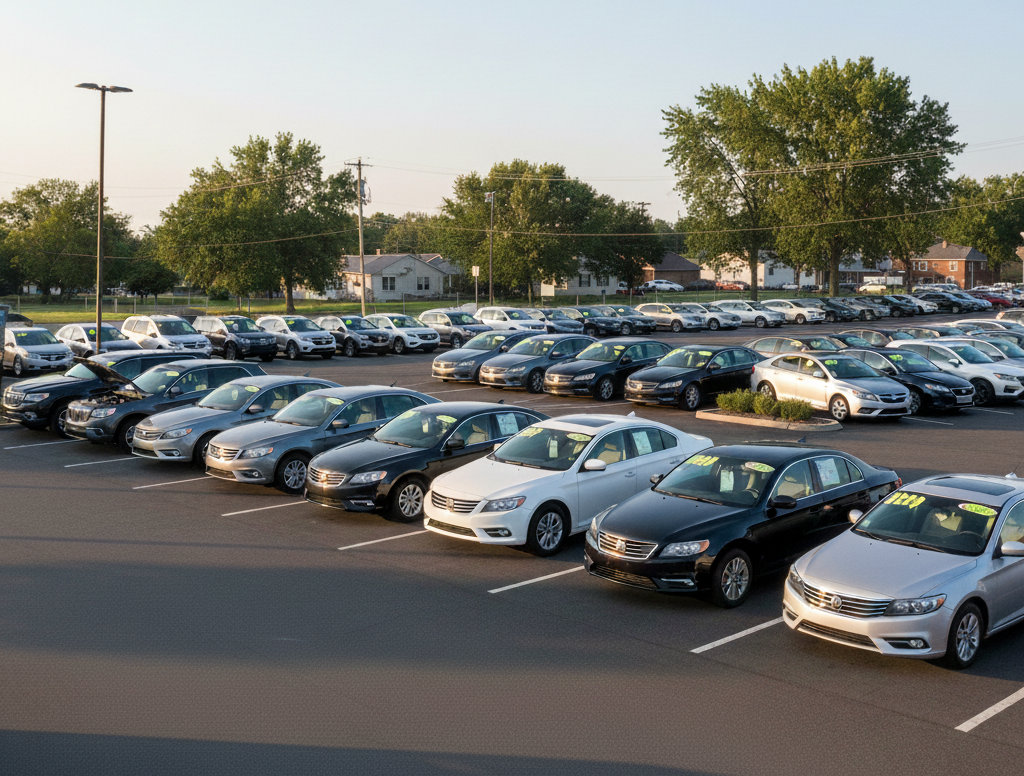
Finding a reliable used car dealership is crucial for anyone looking to buy a used car. A trustworthy dealer can make the car buying experience smooth and enjoyable, while a bad one can lead to significant headaches and financial loss. In this post, we will explore the essential aspects you should consider when identifying a good used car dealership.
What Are the Signs of a Reliable Used Car Dealership?
Identifying a trustworthy used car dealership involves looking for specific signs. Here are some key indicators:
- Positive Online Reviews: Check online reviews on platforms like Google, Yelp, and social media. A dealership with consistently positive feedback is more likely to be trustworthy.
- Transparency: A good dealership will be open about the vehicles they sell, including their history and any repairs done.
- Warranties Offered: Trustworthy dealerships often provide warranties on their vehicles, ensuring peace of mind for the buyer.
How Important Is a Vehicle History Report?
A vehicle history report is an essential resource when buying a car. This report provides detailed information about a used vehicle’s past, including:
- Accident History: Knowing whether a car has been in any accidents can impact its reliability.
- Ownership History: Understanding how many previous owners a vehicle had can give insights into its maintenance.
- Title Status: Ensure the car has a clean title to avoid potential legal issues in the future.
What Financing Options Should You Look For?
When buying a used car, it’s essential to explore various financing options. A reputable used car dealership will offer:
- Flexible Financing Plans: Look for dealers who provide several financing options tailored to your budget.
- Competitive Interest Rates: Compare rates offered by different dealerships to find the best deal.
- Assistance with Car Loans: A good dealership will help you navigate the car loan process smoothly.
How Can You Evaluate the Quality of Used Cars?
The quality of the used cars at a dealership is a significant factor. Here’s how to assess it:
- Inspection Reports: Ask for inspection reports to verify the car’s condition.
- Certified Pre-Owned Vehicles: Look for dealerships that offer certified pre-owned vehicles, which have undergone rigorous checks.
- Test Drives: Always take the car for a test drive to evaluate its performance firsthand.
What Is the Importance of a Good Buying Experience?
A positive buying experience is vital when purchasing a used car. This includes:
- Customer Service: Friendly and knowledgeable staff can make the process much easier.
- Support During Negotiations: A good dealership will help you negotiate a fair price without pressure.
- After-Sales Support: Reliable dealers provide support after the sale, helping you with any issues that may arise.
How Do You Identify Trustworthy Used Car Dealers?
Identifying trustworthy used car dealers requires careful consideration. Here are some tips:
- Reputation in the Community: Look for dealers who are well-regarded within the local community.
- Accreditations: Check if the dealership has any relevant certifications or memberships in automotive organizations.
- Referral Recommendations: Ask friends and family for referrals to dealers they trust.
What Should You Ask the Dealer?
Asking the right questions can help you gauge the dealership’s reliability. Consider the following:
- What’s the return policy? A trustworthy dealer will have a clear and fair return policy.
- Can you provide a vehicle history report? This shows the dealer’s transparency regarding the vehicle’s past.
- What warranties do you offer? Understand the warranty coverage before making a purchase.
How Do You Spot a Good Used Car Dealership Online?
When searching for a dealership online, keep these points in mind:
- Website Quality: A professional, user-friendly website indicates a reputable dealership.
- Online Listings: Check the quality and transparency of their used car listings.
- Social Media Presence: Engaging with customers on social media can be a sign of a trustworthy dealer.
What Are the Benefits of Buying a Used Car from a Dealership?
Buying a used car from a dealership offers several advantages:
- Variety of Options: Dealerships often have a wide selection of vehicles to choose from.
- Professional Guidance: Knowledgeable staff can help you find the perfect used vehicle for your needs.
- After-Sales Services: Many dealerships offer after-sales services, such as maintenance and repairs.
How Can You Find the Best Used Car Dealership for Your Needs?
Finding the best used car dealership involves research and comparisons. Here’s how you can do it:
- Read Reviews: Look for testimonials and reviews online to gauge customer satisfaction.
- Visit Multiple Dealerships: Don’t settle for the first one you visit; compare experiences and options.
- Seek Recommendations: Ask for recommendations from trusted friends or family members.
What are the indicators of a reliable used car dealership?
When searching for a reliable used car dealership, look for signs such as positive customer reviews, transparent pricing, and a willingness to provide a vehicle history report. A trustworthy dealership will also offer a variety of financing options and be open about their policies regarding warranties and returns. Additionally, a good used car dealership prioritizes customer satisfaction and will work with you to find the perfect fit for your needs.
How can I find the best place to buy a used car?
To find the best place to buy a used car, start by researching local used car lots and reading online reviews. Look for dealerships that have a strong reputation for selling reliable vehicles and providing excellent customer service. Additionally, consider asking friends or family for recommendations and visiting multiple dealerships to compare their offerings and buying experiences.
What should I check before buying a used vehicle from a dealership?
Before buying a used vehicle from a dealership, ensure that you thoroughly inspect the car and request a vehicle history report. Check for any signs of previous accidents or major repairs. It’s also important to take the car for a test drive and inquire about the dealership’s warranty options. A reputable car dealer will be happy to provide this information and answer any questions you may have.
Is buying from a dealership better than a private seller?
Buying from a dealership often offers advantages over purchasing from a private seller, such as a wider selection of certified pre-owned vehicles, financing options, and the assurance of a reliable used car. Dealerships typically conduct inspections and offer warranties, providing you with peace of mind that the car you’re buying is of good quality. However, it’s important to do your research on the dealership to ensure you are dealing with a trustworthy car dealer.
How do I know if a used car dealership is reputable?
To determine if a used car dealership is reputable, check their ratings on platforms like the Better Business Bureau and read customer testimonials. A quality dealership will have a good track record of satisfied customers and a transparent approach to car buying. Look for dealerships that provide clear information about their vehicles, such as detailed descriptions and vehicle history reports, as these are indicators of a trustworthy used car dealership.
Key Benefits of How to Spot a Good Used Car Dealership
- Trustworthiness: A good dealership builds trust through transparent practices and honesty in sales.
- Quality Inventory: They offer a selection of well-maintained vehicles that are thoroughly inspected.
- Customer Service: Excellent dealerships prioritize customer satisfaction and provide attentive service.
- Fair Pricing: They offer competitive prices and are transparent about vehicle history and pricing structures.
- Warranty Options: Reputable dealerships often provide warranty options or guarantees for added peace of mind.
- Positive Reviews: A strong online presence with positive customer reviews indicates reliability and quality.
- Knowledgeable Staff: Good dealerships employ knowledgeable salespeople who can provide valuable insights and information.
- Flexible Financing: They offer various financing options to accommodate different budgets and credit situations.
- After-Sales Support: A commitment to customer care extends beyond the sale, including maintenance and support services.
What Are the Key Takeaways for Finding a Reliable Used Car Dealership?
- Research online reviews to gauge trustworthiness.
- Always request a vehicle history report for transparency.
- Evaluate financing options and warranties offered.
- Consider the quality of the used cars available.
- Engage with knowledgeable and friendly staff for a positive buying experience.
- Ask important questions to assess dealer reliability.
- Explore multiple dealerships to find the best fit for your needs.
In conclusion, identifying a good used car dealership is essential for a successful car buying journey. By following these tips, you can make an informed decision and find a trustworthy used car dealer. If you’re in Marietta, GA, consider visiting Mega Motors, a reliable used car dealership offering quality used cars and certified pre-owned vehicles. They will help you find the perfect used car, providing a smooth and trustworthy buying experience.
Buying Used Cars: Tips for the Dealership or Car Dealer
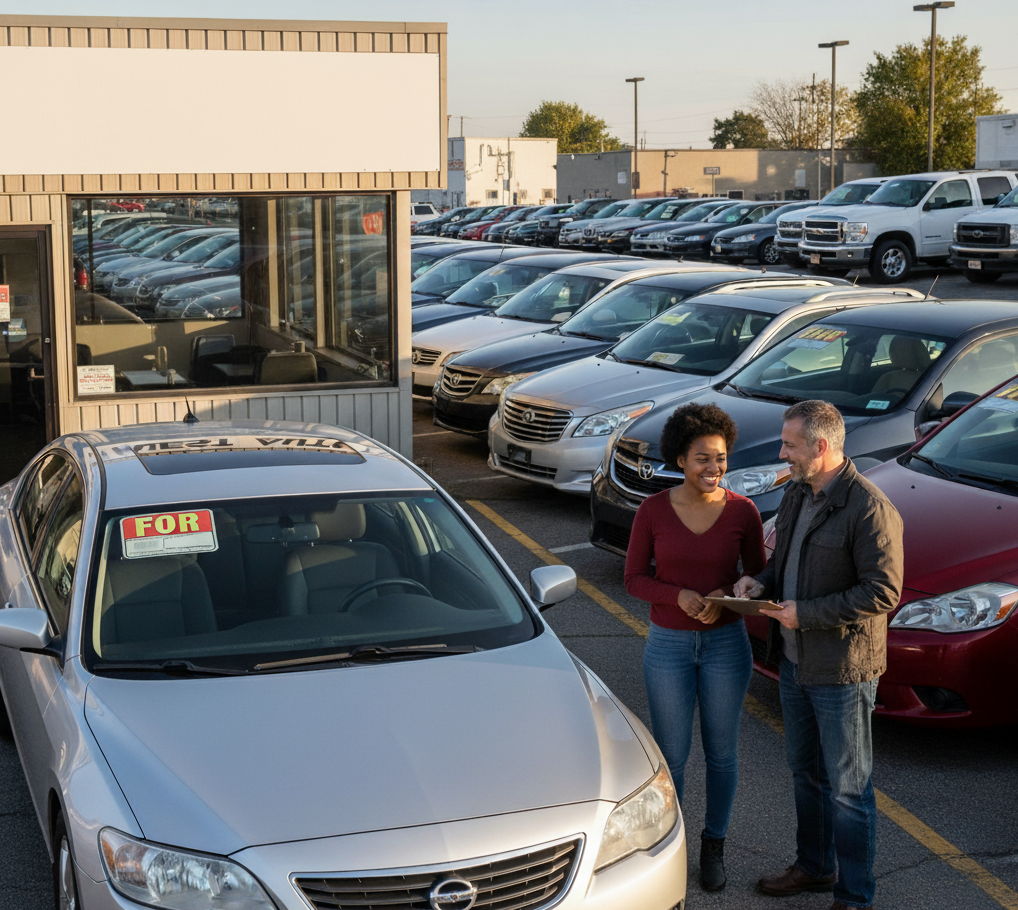
What to Expect When Shopping at a Used Car Dealership
Shopping for used cars can be an exciting yet daunting experience. Understanding what to expect when visiting a used car dealership is crucial for making informed decisions. This guide will provide you with insights into the car-buying process, empowering you to find the right pre-owned vehicle that meets your needs and budget.
What Should You Look for in Used Cars?
When shopping for used cars, the first step is to determine what you need. Consider factors such as the type of car you want, its fuel efficiency, and its reliability. Make a list of features that are important to you, whether it’s a spacious interior for family trips or a compact size for city driving. This will help streamline your search and ensure you focus on vehicles that truly fit your lifestyle.
Additionally, you should inspect the car history thoroughly. Ensure you get a vehicle history report to check for previous accidents, service records, and any outstanding recalls. A good car will have a clean history, giving you peace of mind as you make your purchase.
How Important is a Test Drive?
A test drive is one of the most critical steps in the car-buying process. It allows you to experience the used vehicle firsthand, assessing its comfort, handling, and functionality. During the test drive, pay attention to how the car feels on the road. Does it accelerate smoothly? Are the brakes responsive? Take the car on various types of roads to evaluate its performance.
Don’t hesitate to take your time during the test drive. If possible, drive it for at least 15-20 minutes to ensure it meets your expectations. Remember, this is the car you’ll be driving, so it’s essential to confirm it feels right for you.
What is the Role of a Vehicle History Report?
A vehicle history report is an invaluable tool when buying a used car. It provides detailed information about the car’s past, including ownership history, accident reports, and service records. Make sure to get the car inspected by a qualified mechanic before finalizing your deal.
By reviewing the vehicle history report, you can avoid potential pitfalls, such as buying a car that has been in significant accidents or has a title discrepancy. This report is essential for ensuring you make a sound investment in your used vehicle.
How Can You Negotiate the Best Deal?
Negotiating the price is a critical part of the car-buying process. Start by researching the market value of the used cars you’re interested in. Websites like Kelley Blue Book or Edmunds can help you determine fair car prices based on the make, model, and year.
When you visit the dealership, be prepared to negotiate. Don’t be afraid to make a counteroffer if the dealer’s pricing is higher than the market value. Remember, the dealer may offer various financing options or trade-in allowances that can affect the final price. Always keep your budget in mind and be ready to walk away if the deal doesn’t meet your expectations.
What Should You Know About Warranties and Extended Warranties?
Understanding the warranty options available can provide you with peace of mind when buying a used car. Many used car dealerships offer limited warranties that cover specific repairs for a set period after purchase. It’s essential to inquire about what the warranty covers and for how long.
Extended warranties are also available, which can provide additional coverage on your pre-owned vehicle. While these can be beneficial, assess whether the cost aligns with your budget and the potential repairs you might face. Always read the fine print to understand what is covered and what isn’t.
Should You Consider Trade-In Options?
If you have an old car that you’re looking to replace, consider a trade-in option. Most dealerships will evaluate your current vehicle and offer a trade-in value that can go toward the purchase of your new-to-you used car. Knowing the value of your trade-in can help you negotiate a better deal on the car you want.
Before visiting the dealer, research the value of your trade-in vehicle through online resources. This knowledge will empower you during negotiations, ensuring you receive a fair offer that reflects the current market value.
What Financing Options are Available?
When shopping for used cars, understanding your financing options is crucial. Many used car dealerships offer financing plans tailored to meet your budget. You can choose to buy a car outright or opt for a car loan to spread the payments over time.
Before committing to a loan, assess how much you can afford in monthly payments. Factor in interest rates, loan terms, and your credit score, as these elements will influence your financing options. It may also be beneficial to get pre-approved for a loan from your bank or credit union to have a better understanding of your budget going into the dealership.
What Should You Expect During the Buying Experience?
The buying experience at a used car dealership can vary significantly from one dealer to another. Generally, expect to fill out paperwork, undergo financing discussions, and possibly negotiate the price. The dealer may also offer additional products like extended warranties or service plans.
Be prepared for an engaging experience where the dealer will likely try to highlight the features of the car and the benefits of purchasing from their dealership. Keep your goals in mind and don’t feel pressured to make a decision on the spot. Take your time to ensure that the vehicle and the deal align with your needs and budget.
How to Get the Car Inspected?
Before finalizing your purchase, it’s wise to get the car inspected by a trusted mechanic. A thorough inspection can reveal hidden issues that might not be apparent during a test drive. Look for signs of wear and tear, fluid leaks, and the condition of the tires.
If you’re unsure about how to get the car inspected, ask the dealer if they offer this service. Many reputable car dealerships will allow you to take the vehicle to a mechanic of your choice before making a commitment, ensuring you have all the information needed for a sound purchase.
What Are the Final Steps in the Buying Process?
Once you’ve selected the right car and negotiated the price, you’ll move into the final steps of the buying process. This usually involves signing paperwork, transferring the title, and finalizing the financing arrangements. Be sure to review all documents carefully before signing to avoid any surprises later.
After completing the paperwork, it’s time to take your new car home! Make sure to double-check that you have all necessary documents, including the vehicle history report and warranty information, before leaving the dealership.
- Take your time in the car-buying process.
- Get a vehicle history report for peace of mind.
- Have the car inspected by a trusted mechanic.
- Negotiate for the best deal possible.
- Understand the warranty and financing options available.
Common Mistakes When Shopping at a Used Car Dealership
- Not Doing Sufficient Research: Many buyers fail to research the car’s market value and history before visiting the dealership.
- Skipping the Test Drive: Some shoppers neglect to test drive the vehicle, missing out on potential issues.
- Ignoring Vehicle History Reports: Buyers often overlook obtaining a vehicle history report, which can reveal past accidents or title issues.
- Focusing Solely on Monthly Payments: Many consumers concentrate on the monthly payment rather than the overall price of the vehicle.
- Not Considering Additional Costs: Shoppers frequently forget to account for insurance, taxes, and maintenance when budgeting for a used car.
- Rushing the Process: Impatience can lead to hasty decisions, causing buyers to overlook important details.
- Neglecting to Negotiate: Some buyers accept the sticker price without attempting to negotiate for a better deal.
- Overlooking Warranty Options: Many shoppers fail to ask about warranties or service contracts that may be available.
- Being Unprepared for Financing: Buyers may not explore financing options beforehand, leading to unfavorable loan terms.
- Disregarding the Dealership’s Reputation: Some consumers ignore the reputation of the dealership, which can affect their buying experience.
What Should Car Buyers Expect When Shopping for Used Cars?
When shopping for used cars, you can expect a wide variety of options at a dealership, including certified pre-owned (CPO) vehicles. The selection often includes various makes and models, which allows you to find the right car that fits your budget and needs. Additionally, dealerships may offer financing options and warranties that can enhance your buying experience. It’s important to do your research and understand the vehicle history report of each car you consider.
How Can You Guide Your Buying Experience at a Used Car Dealership?
To guide your buying experience at a used car dealership, start by determining how much you can afford to spend on a used car. Create a checklist of the features you desire in a vehicle and prioritize them. Test driving different cars is essential; it helps you assess their condition and comfort. Also, don’t hesitate to ask the dealer about any trade-in options or dealer offers that might benefit your purchase.
What Is the Process of Buying a Used Vehicle from a Dealer?
The process of buying a used vehicle from a dealer typically involves several steps. First, you’ll want to research and compare different models available. After finding a few options, visit the dealership to test drive the cars. Once you’ve selected the car you plan to buy, review the financing options, including any car loans available. Finally, make sure to get a vehicle history report and understand any warranties offered before finalizing your purchase.
How Do You Get a Vehicle History Report for a Used Car?
To get a vehicle history report for a used car, you can request it directly from the dealer or obtain it from online services like Carfax or AutoCheck using the car’s VIN. This report provides crucial information about the car’s past, including previous ownership, accident history, and any title issues. Understanding this information is vital for making an informed decision when buying a used vehicle.
What Should You Know About Extended Warranties When Buying Used Cars?
When buying used cars, it’s important to consider the option of extended warranties. These warranties can provide additional coverage beyond the standard dealer warranty, giving you peace of mind regarding potential repairs. Make sure to compare the terms and conditions of various extended warranties and understand what is covered. This can be particularly beneficial for older vehicles or those with higher mileage.
In conclusion, shopping for used cars at a dealership can be a rewarding experience if you are well-prepared. By following this guide to buying a used car, you will be equipped to make informed decisions and find a vehicle that suits your needs. Remember, if you are in the Marietta, GA area, check out Mega Motors, a trusted used car dealer where you can buy a used car with confidence. Their dedicated team is ready to assist you in your journey toward finding the perfect pre-owned vehicle.
Top Benefits of Buying from a Trusted Used Car Dealership
When it comes to purchasing a vehicle, many buyers face a crucial decision: should they buy a used car from a dealership or consider private sellers? Understanding the top benefits of buying from a trusted used car dealership can significantly influence your car-buying experience. This article delves into the advantages of choosing a reputable dealership, ensuring that your investment in a pre-owned vehicle is both fruitful and satisfying.
What Are the Advantages of Buying Used Cars from a Dealership?
One of the primary benefits of buying a used car from a dealership is the assurance of reliability. Dealerships often have a reputation to uphold, which means they are more likely to provide quality vehicles that have been inspected thoroughly. This includes checks for mechanical issues, ensuring that the car is in good condition before it reaches the lot.
Additionally, many used car dealerships offer certified pre-owned vehicles that come with warranties, adding an extra layer of security. This peace of mind is often not available when purchasing from private sellers, where the risk of hidden defects is greater.
How Does a Vehicle History Report Benefit Used Car Buyers?
Another significant advantage of buying from a dealership is access to a vehicle history report. This report provides crucial information about the car’s past, including any accidents, service records, and previous ownership. Having this data helps buyers make informed decisions and reduces the risk of unexpected issues after purchase.
Dealerships typically provide this information upfront, giving you transparency in your buying process. In contrast, private sellers may not always have comprehensive records available, leading to uncertainty about the vehicle’s condition.
What Financing Options Are Available at Used Car Dealerships?
Financing options are another key benefit of purchasing a vehicle from a dealership. Most dealerships offer flexible financing plans that can accommodate various budgets. This is particularly beneficial for buyers who may not have the full amount to purchase a car outright.
Additionally, dealerships often have established relationships with banks and financial institutions, making it easier for buyers to secure favorable loan terms. This can lead to lower interest rates compared to financing through a private seller.
Why Is a Warranty Important When Buying a Used Car?
When you buy a used car from a dealership, it often comes with a warranty, which is a significant advantage. Warranties cover specific repairs and maintenance for a certain period, offering peace of mind that your investment is protected against unexpected expenses.
Many dealerships also provide options for extended warranties, which can further safeguard your purchase. This is not something typically offered by private sellers, making it a compelling reason to shop at a dealership.
How Do Dealerships Ensure Quality in Their Used Vehicles?
Reputable used car dealerships implement strict quality control measures before putting a vehicle up for sale. This often includes comprehensive inspections and repairs, ensuring that the vehicles meet safety and operational standards.
In contrast, private sellers may not possess the same level of expertise or resources to assess the vehicle’s condition properly. By choosing a dealership, you’re more likely to drive away with a car that is reliable and well-maintained.
What Types of Vehicles Can You Find at a Used Car Dealership?
Used car dealerships offer a wide variety of used vehicles, accommodating different preferences and budgets. Whether you’re searching for a compact car, SUV, or luxury sedan, dealerships generally have a diverse inventory to choose from.
This variety allows buyers to compare models and features side by side, simplifying the decision-making process. In contrast, private sellers may only have one or two options available, limiting your choices.
Why Is Peace of Mind Important When Purchasing a Used Vehicle?
Purchasing a vehicle is a significant financial decision, and having peace of mind is crucial. Buying a used car from a dealership provides a sense of security, knowing that the vehicle has been inspected and is likely to be in good working order.
Additionally, dealerships often provide after-sales support, addressing any concerns or questions you may have post-purchase. This level of customer service is often lacking when buying from private sellers.
What Should You Consider When Trading in Your Old Car?
If you’re considering trading in your old car, dealerships typically offer competitive trade-in values. This can significantly reduce the cost of your next vehicle, making it a financially savvy option.
When trading in, it’s essential to have a clear understanding of your current vehicle’s worth. Dealerships often provide appraisals, ensuring that you receive a fair price that can be applied toward your new purchase.
Are There Any Drawbacks to Buying Used Cars from Private Sellers?
While buying from private sellers can sometimes be tempting due to lower prices, there are notable drawbacks. The lack of warranty, potential hidden issues, and limited financing options can make this route riskier.
Additionally, private sellers may not provide a thorough vehicle history, which can lead to future complications. Weighing these risks against the benefits of purchasing from a dealership is crucial for any prospective buyer.
What Are the Key Takeaways When Choosing a Dealership?
- Reliable vehicles with thorough inspections.
- Access to vehicle history reports for transparency.
- Flexible financing options tailored to your budget.
- Warranties and extended warranties for added protection.
- “A large selection of used vehicles available.
- Peace of mind with after-sales support and service.
- Competitive trade-in values for your current vehicle.
- Less risk compared to buying from private sellers.
In conclusion, when you’re ready to buy a used car, consider the numerous benefits from a dealership like Mega Motors, a trusted used car dealer in Marietta, GA. With a comprehensive vehicle history report, flexible financing options, and a wide variety of used vehicles, you’re sure to find a like-new car that suits your needs. Remember, the peace of mind that comes from purchasing from a reputable dealership is invaluable, ensuring a smooth car-buying experience. Explore the options available at Mega Motors today and start your journey towards owning the perfect pre-owned vehicle.