Buying a Used Vehicle: What to Expect at a Pre-Owned Car Dealership
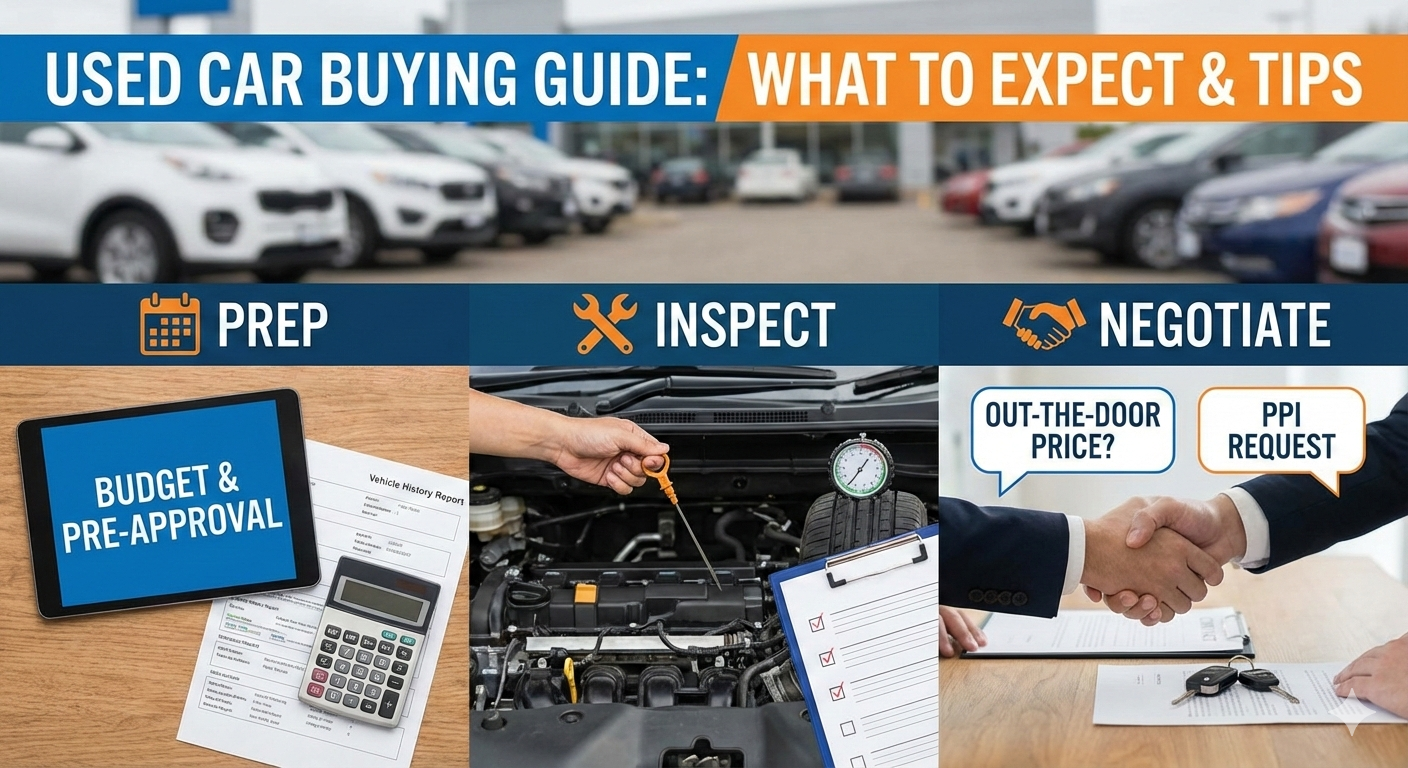
Shopping at a used car dealership can be both exciting and overwhelming. Whether you want to buy a used car for daily commuting, a family vehicle, or a quality used weekend ride, knowing what to expect helps you make a confident purchase. This guide outlines the buying process, provides practical tips for buying a used vehicle, and helps you find a car that fits your needs and budget with peace of mind.
1. What should I know about used cars for sale at a dealership?
When browsing used cars for sale, dealerships typically offer a wide selection of quality used vehicles across makes, models, and price points. Many dealerships provide detailed listings online with photos, basic specs, and pricing to help you narrow down options before you visit a used car dealership. Understanding what each listing includes — trim level, mileage, and any dealer-offered inspections — will help you compare vehicles and focus on cars that suit your needs and budget.
Be aware that many used car dealerships will provide additional information about the car like service records, certification status, and any reconditioning work completed. This transparency makes buying from a dealer different from private-party purchases and often reduces uncertainty when purchasing a pre-owned vehicle.
2. How can I evaluate the price of the car when shopping at a used car dealership?
Before visiting a used car dealership, research the price of the car using resources like Kelley Blue Book and market listings to understand fair value. Knowing what similar models are selling for gives you leverage during negotiations and helps you spot deals or overpriced listings. Many dealerships offer pricing that reflects reconditioning, warranties, and financing convenience, so compare apples to apples when evaluating cost of the car.
Consider total cost, not just sticker price: taxes, fees, and optional dealer add-ons affect the final number. Dealerships often disclose financing options and payment plans, so get quotes for both cash purchase and financed scenarios to see what works best for your budget.
3. What should I expect from a test drive the car at a dealership?
Test drive the car thoroughly to learn how the car feels and handles in real-world conditions. A meaningful test drive should include city streets, highways, and any terrain similar to your daily driving. Pay attention to how the car accelerates, brakes, steers, and whether you notice unusual noises or vibrations — these can signal underlying issues with a used vehicle.
Bring a checklist and test specific items: A/C and heating, infotainment, seat comfort, blind spots, and visibility. Dealerships typically encourage test drives, and reputable used car dealerships will be cooperative if you request an extended route or an additional drive to confirm the car fits your needs and driving style.
4. What role does a vehicle history report play when buying from a used car dealership?
A vehicle history report is a crucial piece of information when considering a used car from a dealership. Reports from services like CARFAX or AutoCheck detail previous ownership, accident history, title status, and service records. Many dealerships will provide a vehicle history report upon request or include it in the listing to boost buyer confidence and transparency in the buying process.
Review the report carefully for red flags such as salvage titles, odometer discrepancies, or repeated accident claims. If the report raises concerns, ask the dealer for documentation or opt to inspect other used cars for sale. Understanding what to expect from a report helps you avoid buying a problematic used vehicle and protects your investment.
5. Will I get a warranty or peace of mind when buying a used vehicle from a dealer?
One of the main benefits of buying used from a dealer is the potential for a warranty or certified pre-owned coverage. Many dealerships offer limited warranties, extended service plans, or certified programs that provide added peace of mind compared to private-party sales. Ask whether the used car comes with any warranty, what it covers, and the duration—this will impact your long-term ownership costs.
Even if a used car doesn’t come with a full warranty, dealerships often include post-sale support or inspection records that help you understand the car’s condition. Knowing what to expect regarding warranty options and dealer offers helps you evaluate the value proposition and choose a car that fits your needs.
6. How do financing options and buying from a dealer compare?
Many dealerships offer financing options that simplify the buying process by combining the car purchase and loan paperwork in one place. When shopping for a used car, compare dealer financing rates with banks and credit unions to ensure you get a competitive rate. Many dealerships offer promotions or flexible loan terms that may make buying from a dealership more convenient and attractive.
Be sure to ask about down payments, monthly payments, loan length, and interest rates. Dealerships typically present multiple financing scenarios, and reputable used car dealerships will explain the car-buying process clearly so you can pick the best plan that matches your needs and budget.
7. How can I inspect the car before purchasing a used vehicle from a dealership?
Inspect the car thoroughly or request a pre-purchase inspection by an independent mechanic to learn what to expect when shopping at a used car dealership. Check for signs of wear, uneven tire tread, fluid leaks, and frame damage. A careful inspection helps identify potential mechanical issues and gives you negotiating leverage if repairs are needed.
Dealerships often welcome independent inspections and may even provide a checklist for buyers. If a dealer resists an inspection, treat that as a red flag. Knowing how to inspect the car and what to look for ensures you are buying a car that fits your needs and reduces the likelihood of unexpected problems after purchase.
8. What documents and paperwork should I expect when purchasing a used car?
When you buy a used car from a dealer, expect paperwork such as the vehicle title, bill of sale, odometer disclosure, and any warranty or service contracts. Dealerships typically handle registration and title transfer processes, but verify what fees and timelines are involved. Keep copies of all documents for your records and future reference, including the vehicle history report and inspection receipts.
Also confirm any dealer offers, return policies, or buyback guarantees in writing. Understanding the paperwork streamlines the car-buying process and helps protect your rights as a buyer if questions arise after the sale.
9. How should I negotiate the deal when buying a used car from a dealer?
Negotiation is a normal part of the buying process at many used car dealerships. Start by researching market prices using resources like Kelley Blue Book and recent listing prices for similar vehicles. Present your research, highlight any issues found during inspection, and be prepared to walk away if the terms don’t match your expectations. Dealerships often have room to negotiate price, warranty add-ons, or financing terms, so be clear about your budget and needs.
Use a respectful but firm approach. Ask about incentives, trade-in valuations, and whether many dealerships offer additional warranties or certified programs. Document any agreed-upon changes and get the final price in writing before signing to ensure a transparent agreement on the cost of the car and any extras.
10. What are the benefits of buying used cars from reputable used car dealerships?
Buying from reputable used car dealerships brings multiple benefits: access to a wide selection of quality used vehicles, transparency through vehicle history reports, potential warranty coverage, and streamlined financing options. Dealers often recondition cars, perform inspections, and offer after-sale support that private sellers may not provide. These aspects of buying a used car can make the process more predictable and less risky.
Reputable dealerships also help with registration, provide clear documentation, and often have customer reviews that reflect consistent service. If you’re considering a used car from a dealership, look for established businesses with positive feedback to increase your chances of a smooth buying experience and long-term satisfaction with your car purchase.
11. What should I consider about insurance and ownership costs after purchasing a used vehicle?
When purchasing a used car, factor in car insurance and ongoing ownership costs like maintenance, fuel, and potential repairs. Insurance rates can vary by vehicle make, model, age, and your driving history, so request insurance quotes before finalizing the purchase. Many dealerships provide estimates for ownership costs to help you understand the long-term affordability of the car you’re considering.
Consider setting aside a maintenance budget or purchasing an extended warranty if available. These options provide extra peace of mind and can protect you from unexpected expenses, especially for older cars or models with known maintenance needs.
12. How do I find the right car that fits my needs and budget at a used car dealership?
Begin by listing must-haves: passenger capacity, fuel economy, cargo space, safety features, and price range. Use dealership filters and search tools to narrow down used cars for sale that meet your criteria. Test drive the top choices and compare how each car handles, how comfortable it is, and whether it meets your daily driving needs.
Balance emotion with practicality: the perfect car may be a compromise between features and cost. Reputable used car dealerships can help match you with cars that suit your needs and budget, and many dealerships will provide financing options to make the purchase manageable.
13. How can I ensure a smooth buying process when visiting a used car dealership?
To ensure a smooth buying process, come prepared with documentation (driver’s license, proof of insurance, and payment method), pre-approved financing if possible, and a clear idea of your budget and desired features. Communicate your needs with the sales team and request vehicle history reports and inspection records. Reputable dealerships typically offer transparent information and will walk you through the steps from test drive to finalizing the sale.
Plan your visit during quieter hours to get more personalized attention, and don’t rush the process. Taking time to test drive, inspect, and compare options will help you find a quality used car and enjoy a stress-free car-buying experience.
14. What are common red flags to watch for when buying used from a dealer?
Common red flags include incomplete service records, reluctance to provide a vehicle history report, mismatched paperwork, or pressure tactics during negotiation. Watch for signs of significant cosmetic or mechanical repairs that are not documented, which could indicate hidden problems. If a dealer resists an independent inspection, consider it a warning sign and look elsewhere.
Also be cautious with unusually low prices that seem too good to be true — these may hide issues like salvage titles, odometer tampering, or undisclosed mechanical problems. Reputable used car dealerships prioritize transparency and will work with you to resolve legitimate concerns.
15. How do I decide between buying from a dealer or a private seller?
Buying from a dealer generally offers convenience, a wider selection, and potential warranties or certified programs. Dealers usually handle paperwork, offer financing options, and may provide post-sale support. Private sellers can offer lower prices but come with higher risk and less protection. Consider whether you value the peace of mind that comes with dealer-backed purchases and the benefits of buying from a dealership.
If you choose a private sale, obtain a vehicle history report, perform a thorough inspection, and ensure clear title transfer. For many buyers, especially first-time buyers or those seeking more assurance, buying from a used car dealer is a sensible option that balances cost and security.
16. What final checks should I complete before driving away with my used car?
Before you finalize the purchase, verify that all agreed repairs, accessory installations, or warranty paperwork are complete and in writing. Reconfirm the final price, fees, and any financing terms. Ensure the title is clear and the registration and insurance are in process so you can drive off legally and safely.
Do a last-minute walk-around to check tire pressure, fluid levels, and that all keys and remotes are included. Confirm the dealer has provided the vehicle history report and any maintenance records. These final steps protect you from surprises and help ensure a confident start to ownership.
17. How can I learn what to expect from post-purchase support from a used car dealer?
Ask the dealer directly about post-purchase support, return policies, and how warranty claims are handled. Many used car dealerships offer service departments or partnerships with local mechanics for repairs and routine maintenance. Understanding how the dealer supports customers after the sale improves your long-term ownership experience.
Keep contact information for service advisors and save all purchase documents. If any issues arise, a reputable dealer will typically address them professionally, especially when a warranty or service contract is in place. This level of support is one of the key benefits of buying from a trusted dealership.
18. What are the top tips for buying a used vehicle from a dealership?
Key tips for buying used include: research market prices with tools like Kelley Blue Book, request vehicle history reports, test drive the car extensively, get an independent inspection if possible, and understand warranty and financing options. Many dealerships offer certified pre-owned programs — weigh the added cost against the value of included warranties and inspections.
Stay within your needs and budget, walk away if the deal doesn’t feel right, and choose reputable used car dealerships with positive reviews. These practices will help you find a quality used car that suits your needs and provides long-term value.
19. What should I expect when comparing many used car dealerships?
Comparing many used car dealerships helps you find the best price, warranty, and overall buying experience. Some dealerships will excel at transparency and customer service, while others may offer aggressive pricing or promotions. Visit multiple dealerships, compare vehicle history reports, and ask about dealer-offered inspections and warranties to determine which offers the best value for the car you want.
Keep notes on pricing, included services, and sales-level interactions to make an informed decision. The right dealer will provide clear information, reasonable pricing, and financing options that align with your purchasing goals.
20. How do I balance value and risk when considering purchasing an old car or a newer used vehicle?
Balancing value and risk involves assessing the car’s condition, maintenance history, mileage, and potential repair costs. Older cars can offer lower purchase prices but may need more maintenance, while newer used cars often cost more up front but might come with remaining factory warranties or fewer immediate repairs. Evaluate total cost of ownership, including insurance, repairs, and fuel efficiency, to determine which option fits your budget and needs.
If you’re unsure, choose a dealer that provides inspection records, warranty options, and post-purchase support — these elements reduce risk and offer greater peace of mind when buying used. Prioritize cars that suit your lifestyle and provide the most benefits of buying used cars for your situation.
Summary: Key Takeaways
- Research prices with Kelley Blue Book and compare listings before visiting a used car dealership.
- Request a vehicle history report and consider an independent inspection.
- Test drive the car extensively to evaluate how the car feels and handles.
- Ask about warranties, certification, and post-purchase support for peace of mind.
- Compare financing options and total cost of the car, not just sticker price.
- Watch for red flags like missing records or resistance to inspections.
- Choose reputable used car dealerships with transparent policies and positive reviews.
Finding the right used car involves preparation, research, and knowing what to expect when shopping at a used car dealership. Whether you want to buy a used car with a factory-backed warranty, evaluate financing options, or secure a quality used vehicle that fits your needs and budget, these steps will guide you through the car-buying process. If you’re ready to buy a used car in Marietta, consider visiting Mega Motors, a Used Car Dealer in Marietta, GA, to explore used cars for sale, certified options, and dealer-offered warranties. Buying a used car from a dealer like Mega Motors can provide the benefits of buying used cars with the reassurance of dealer support and a smoother car purchase experience.